
Full 25-point door and opener safety check with every visit - springs, cables, rollers, tracks, and your LiftMaster or Chamberlain opener included
You get a price before we start. It does not change when the truck arrives.
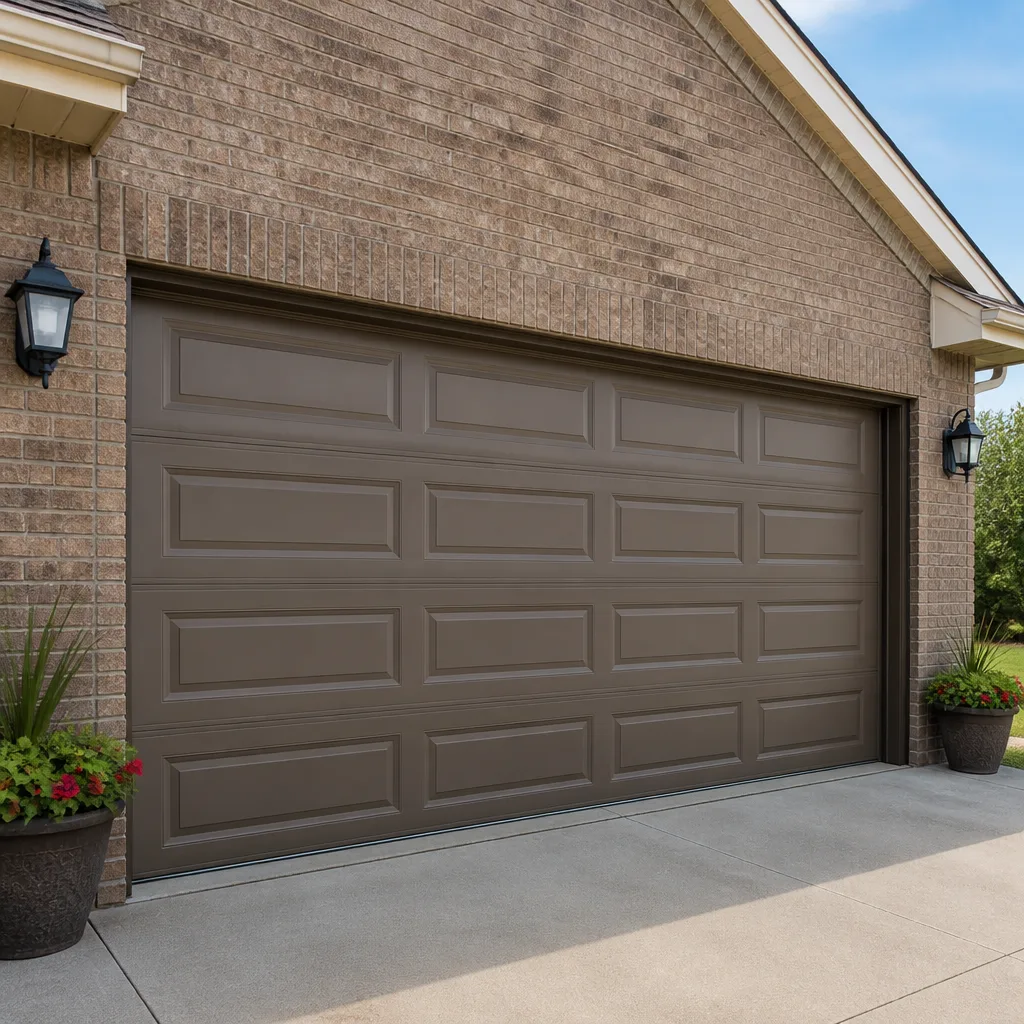
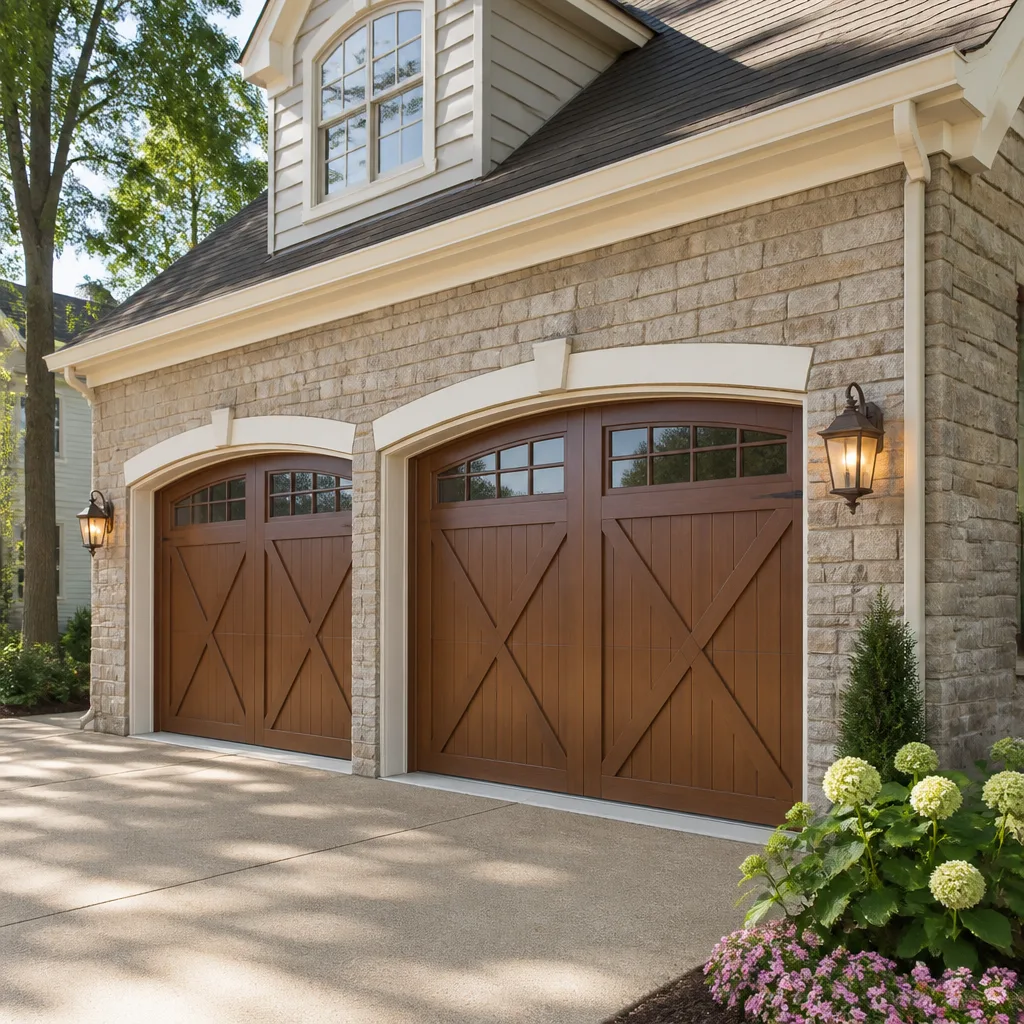
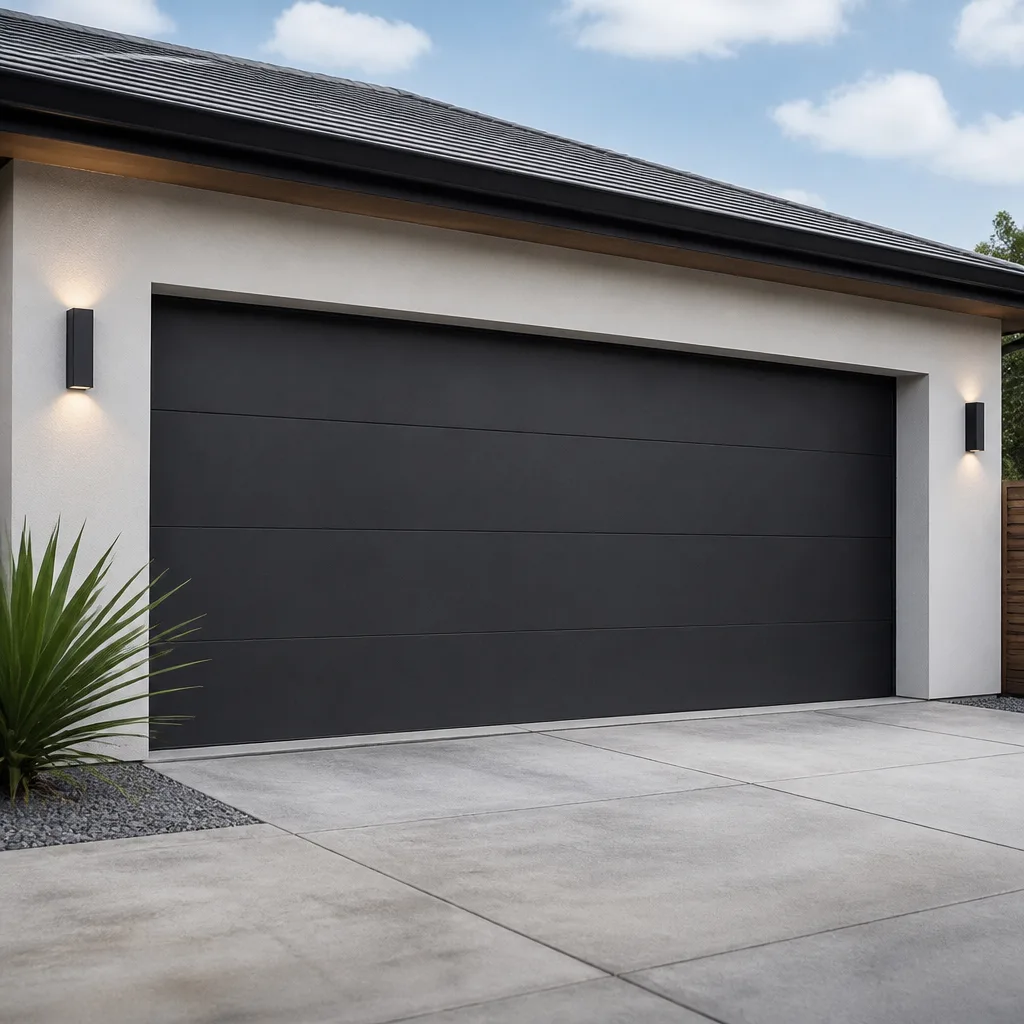
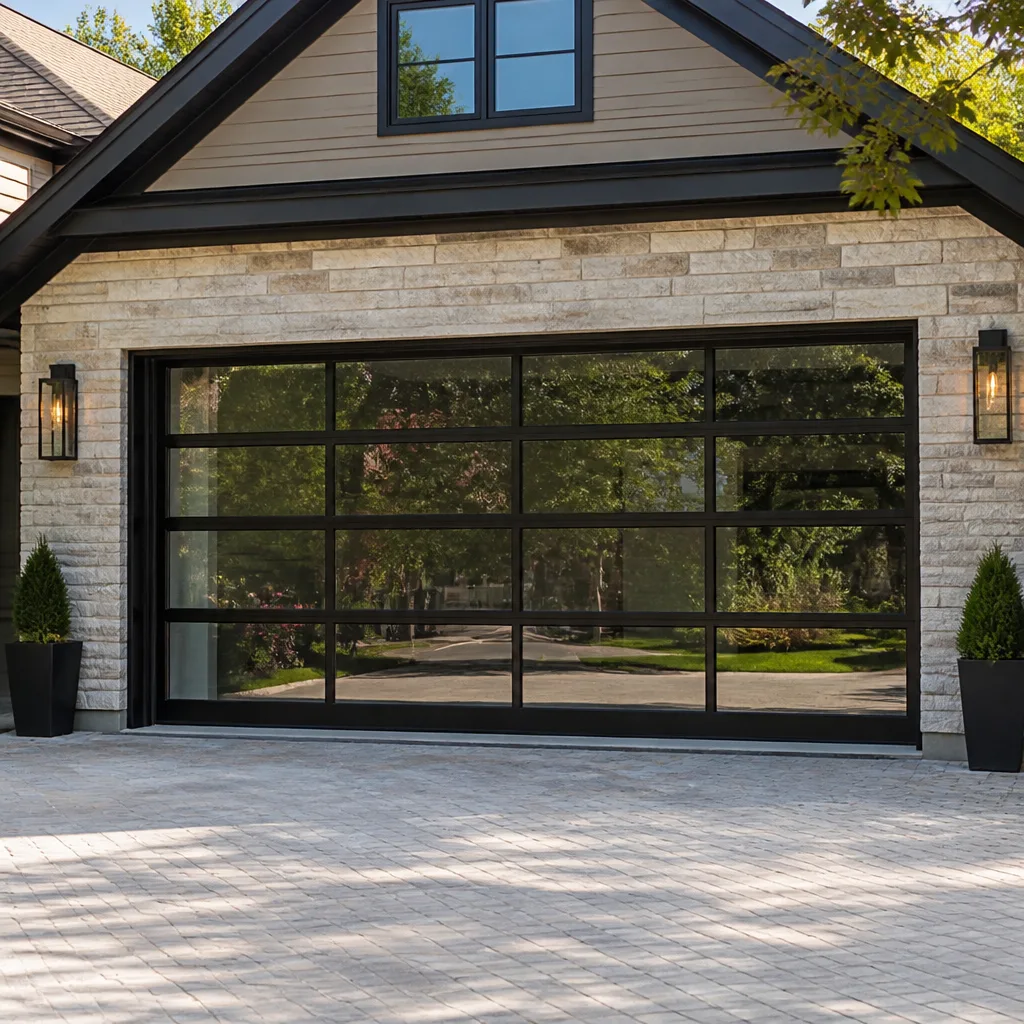
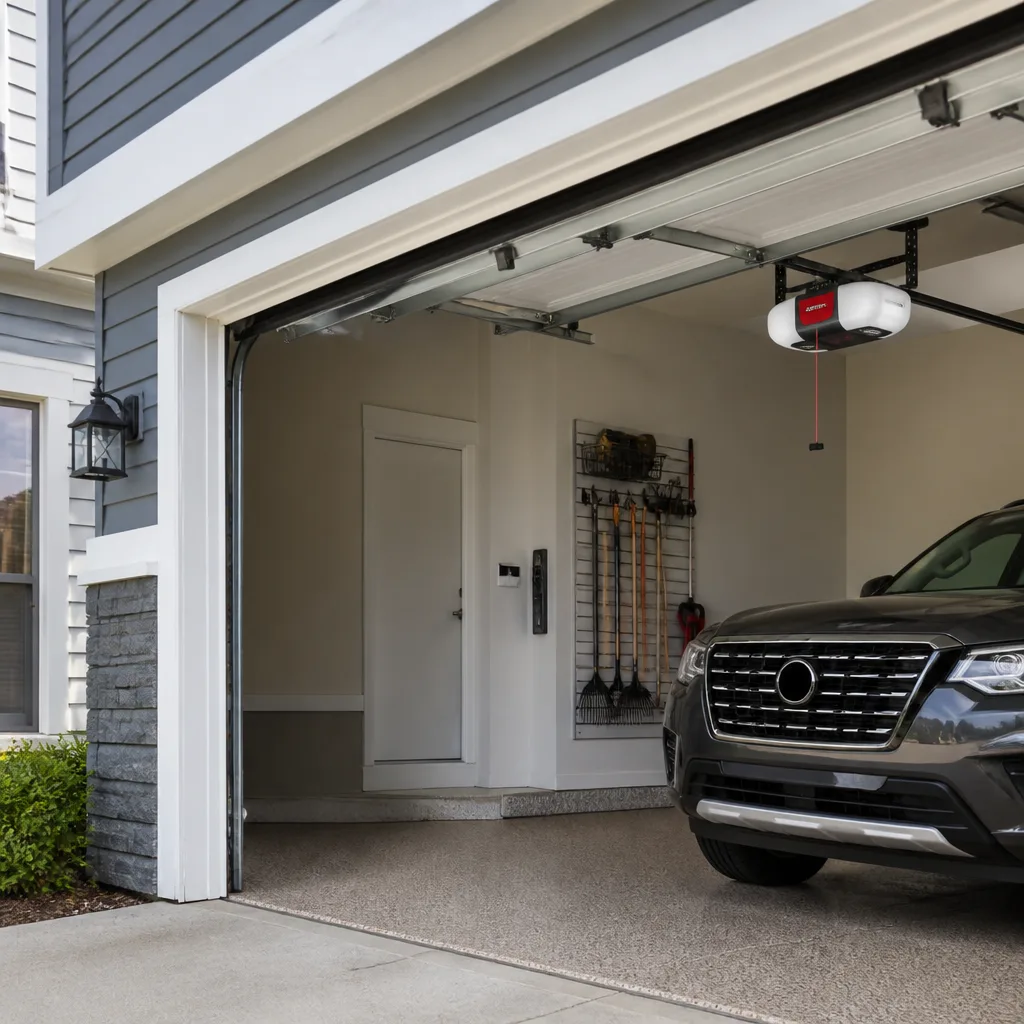
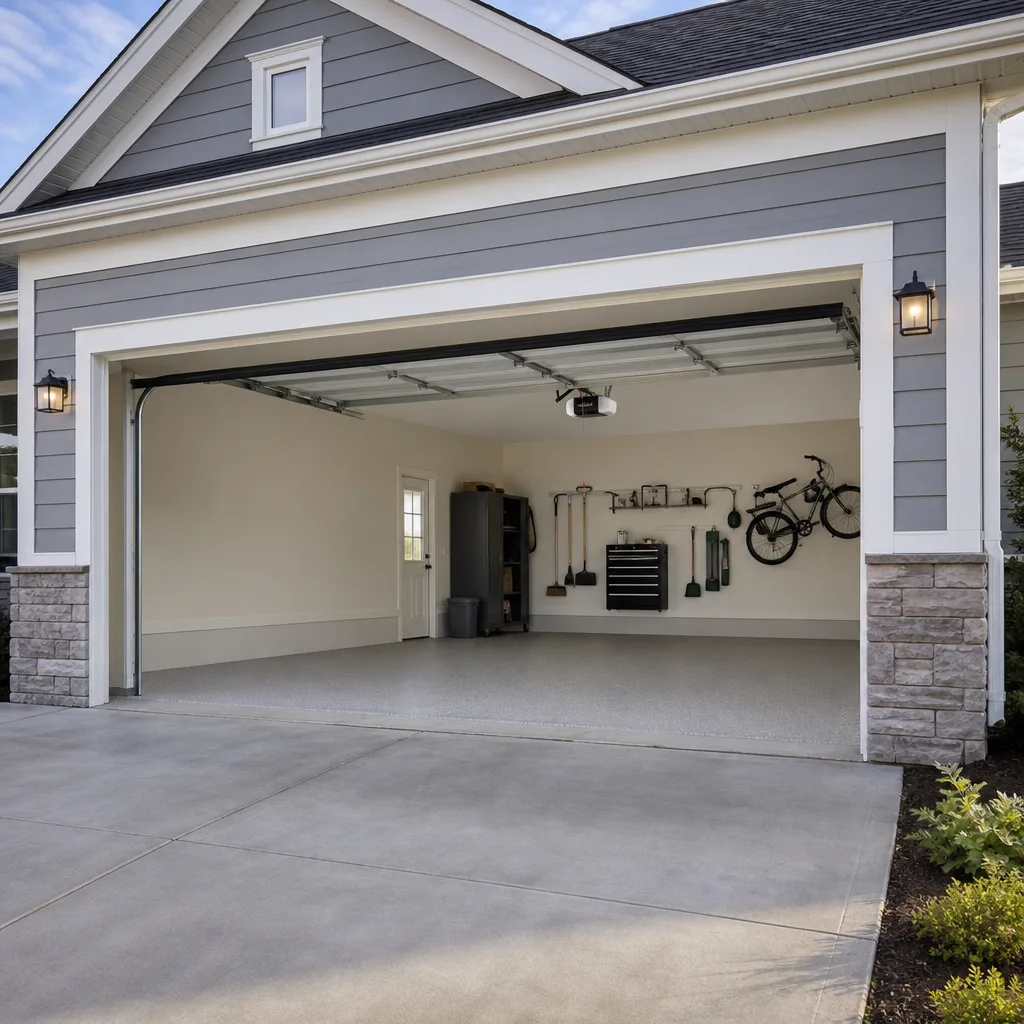
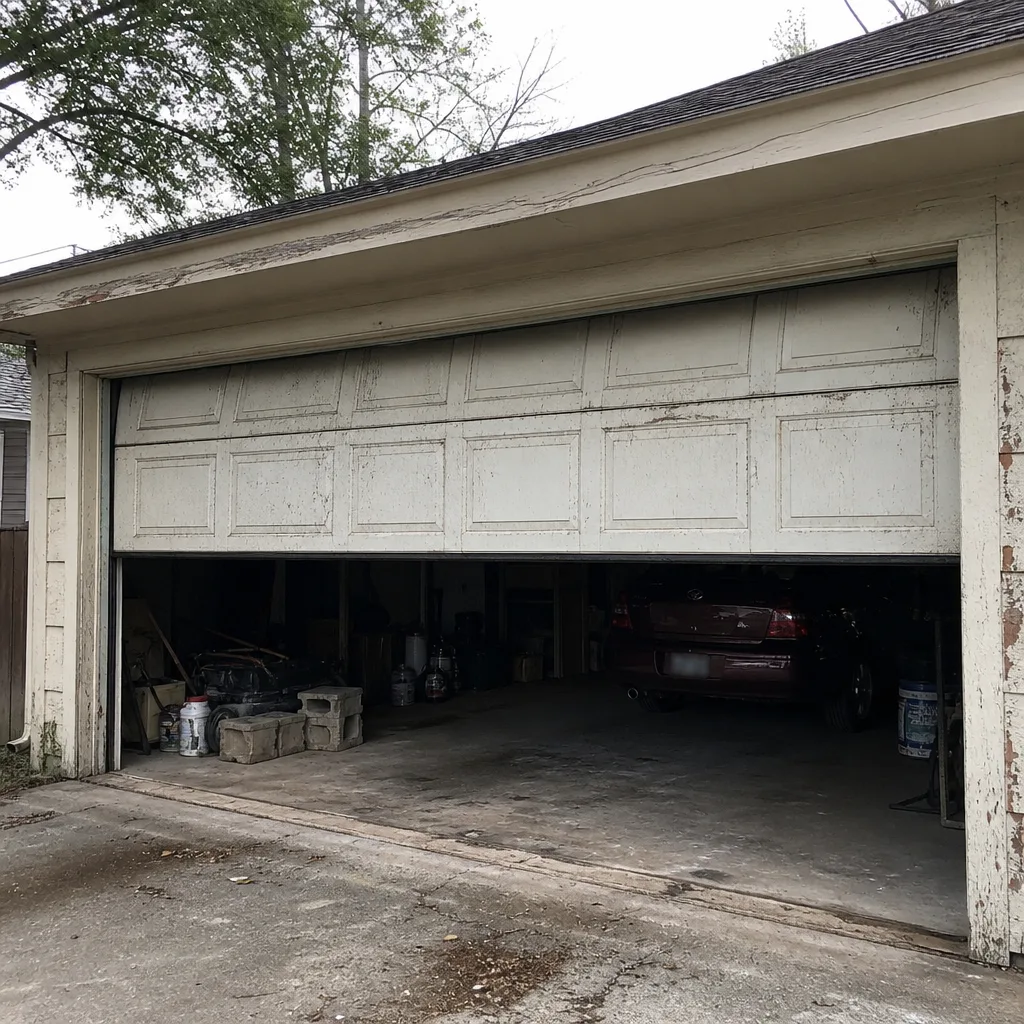 Before
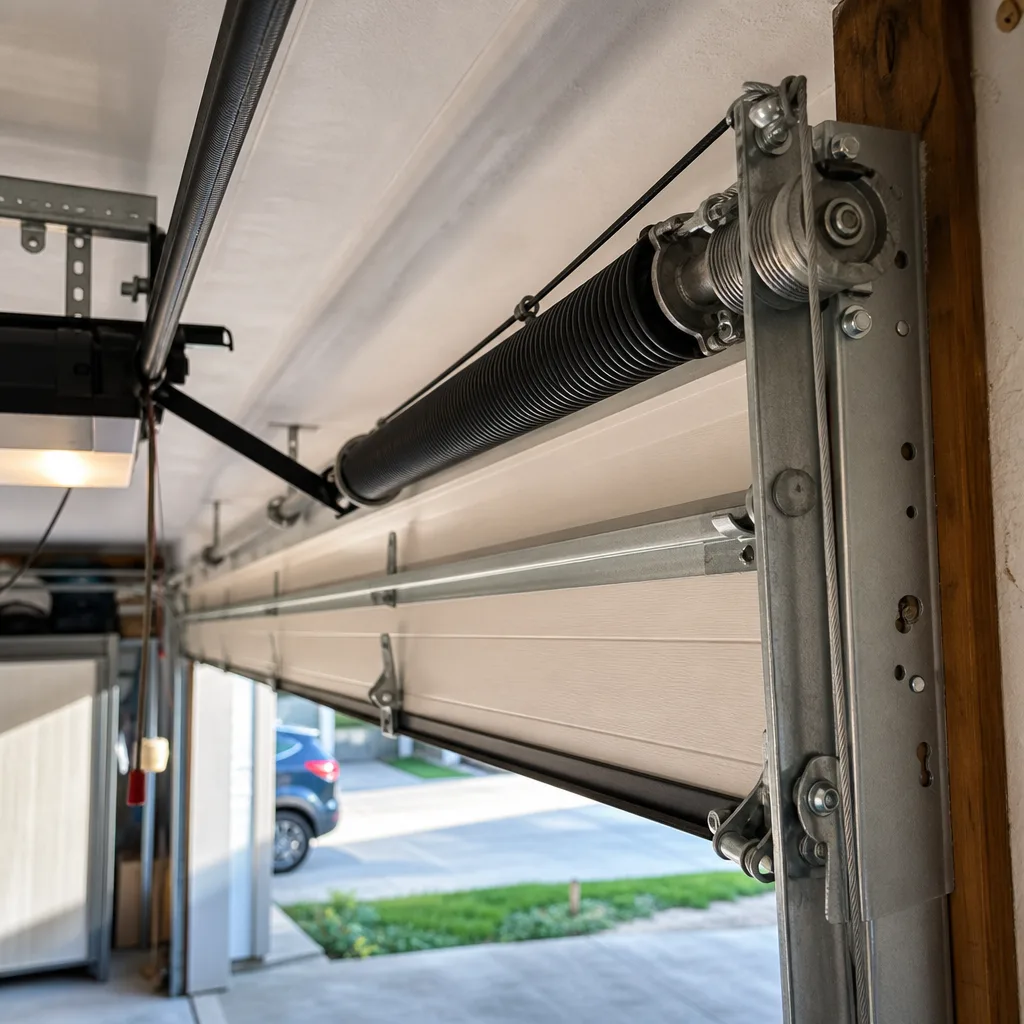 After
After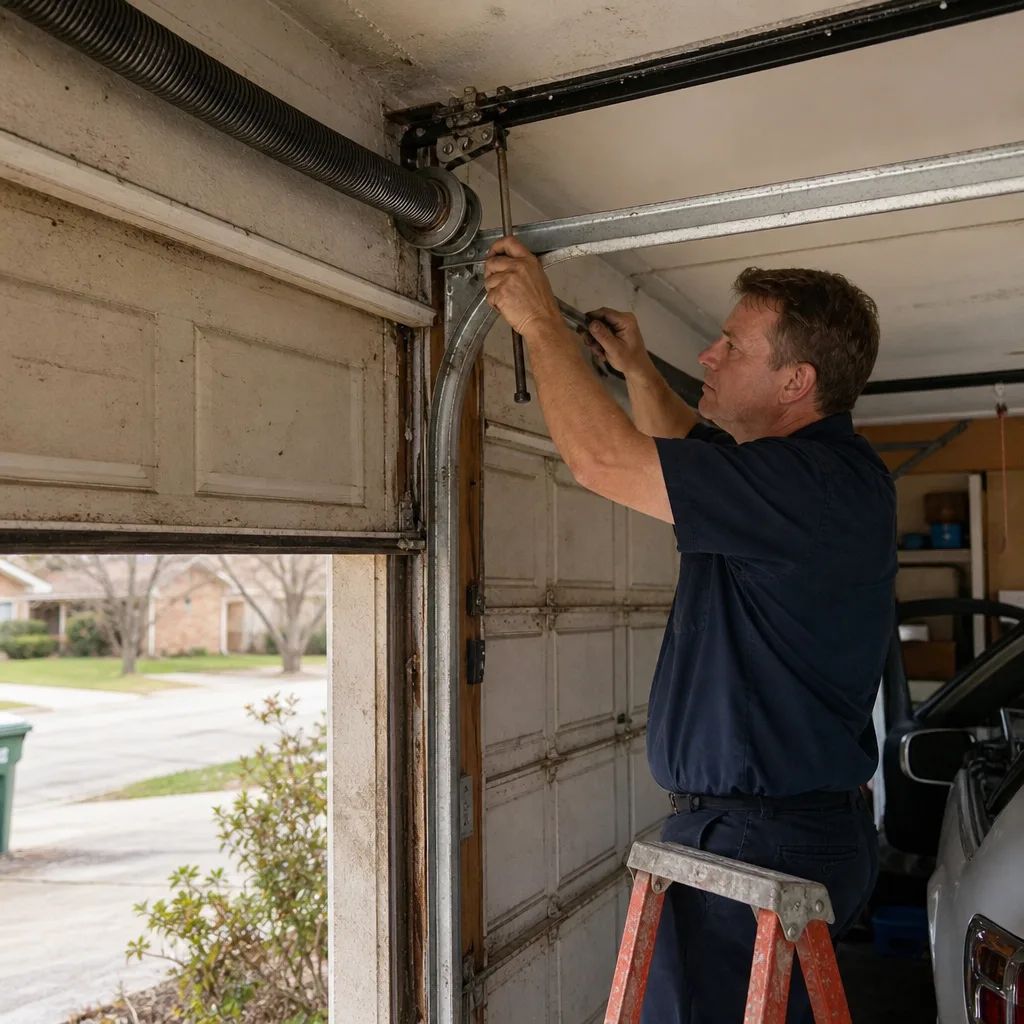 Before
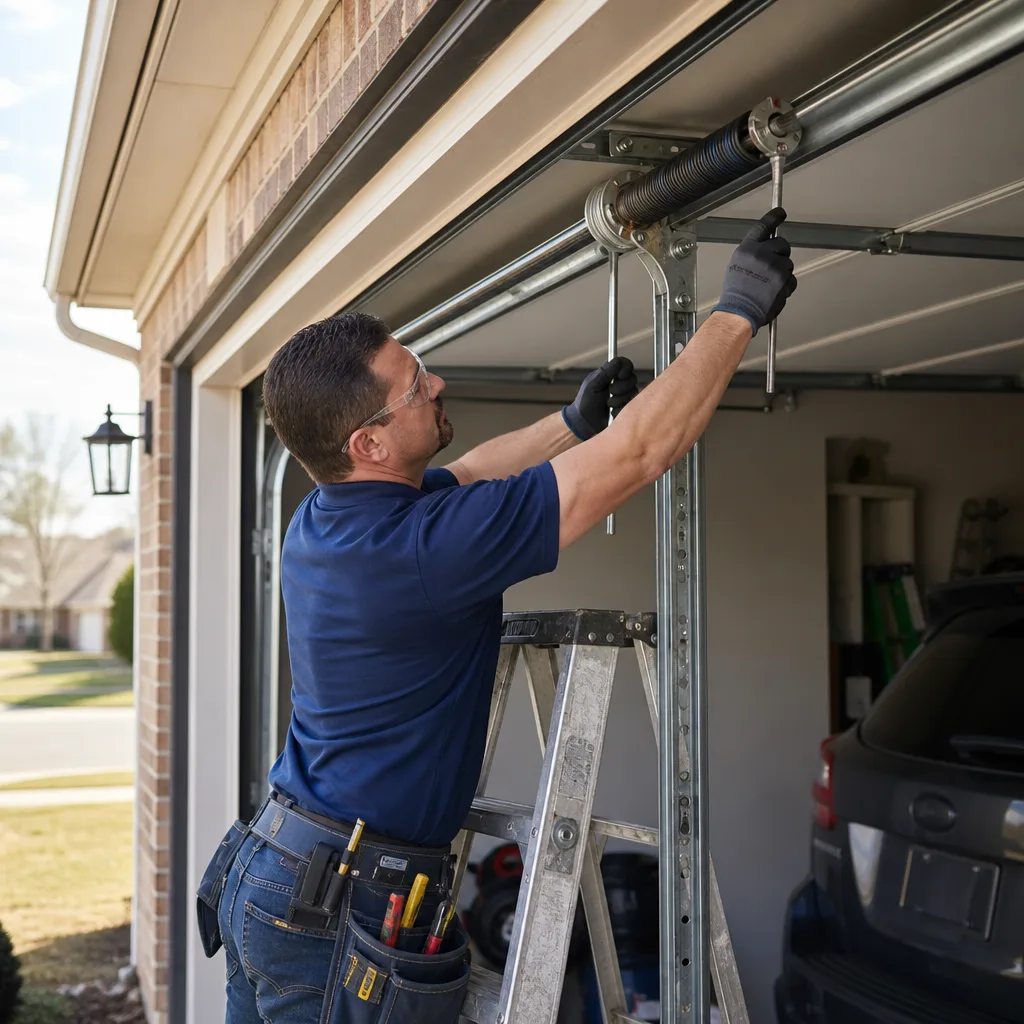 After
After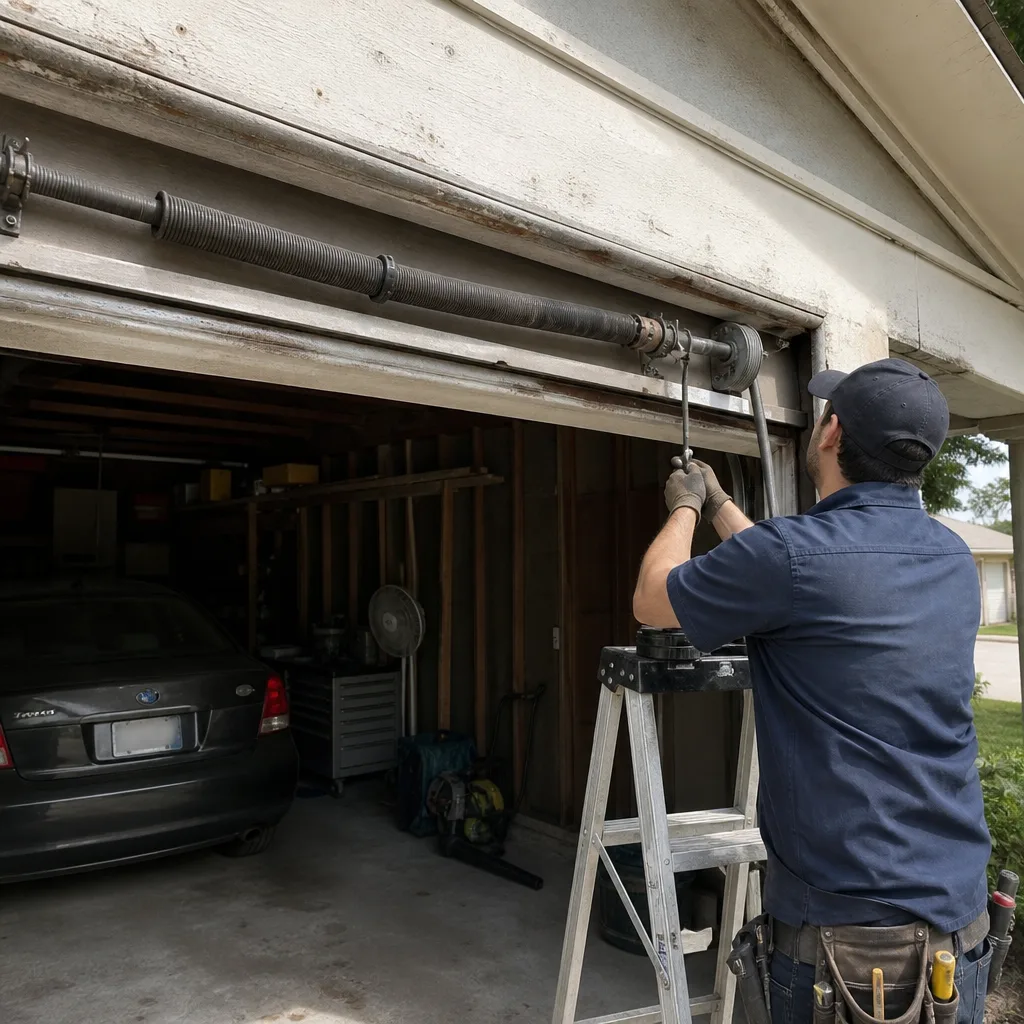 Before
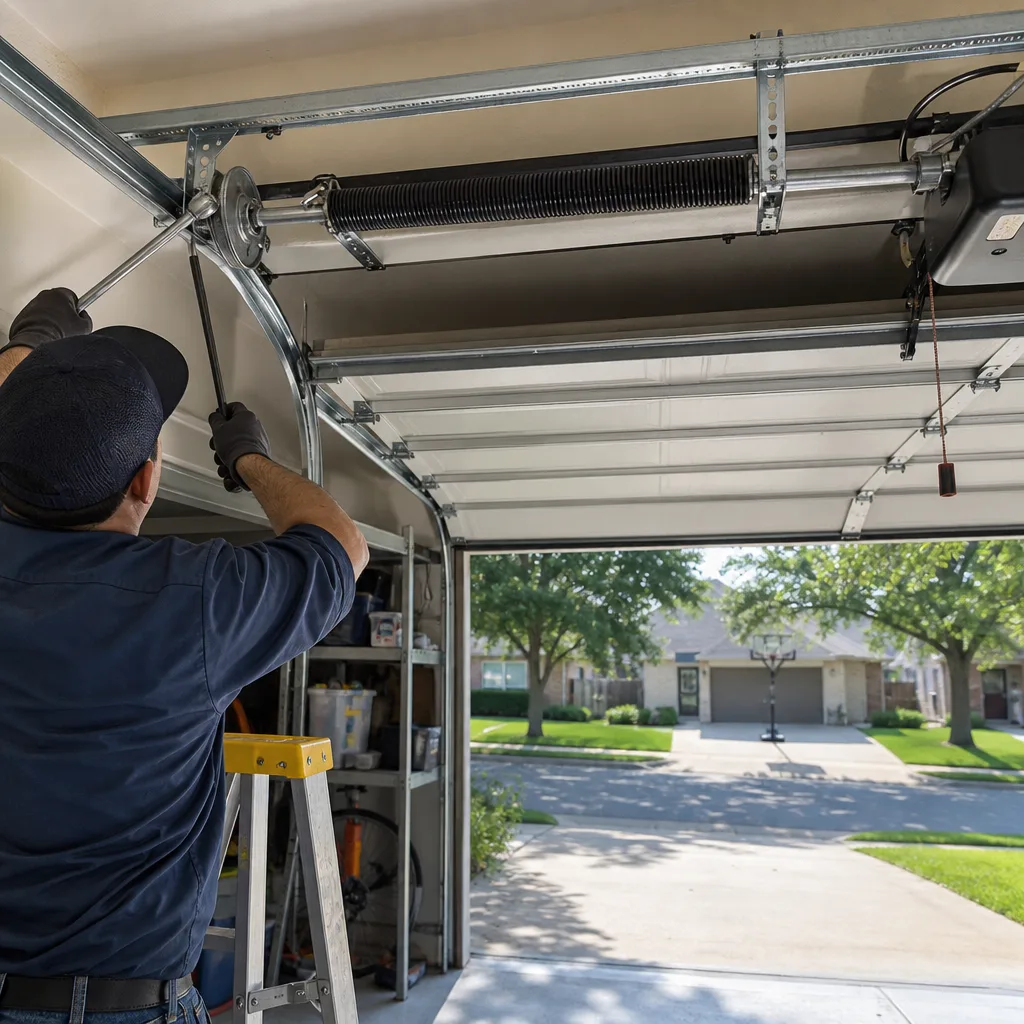 After
AfterAmarr Weather Seal Replacement: The Arlington Owner’s Guide
We stock and install Amarr-compatible bottom weather seal on our trucks across Arlington, and most replacements run $110-$220 installed, including the seal, labor, and a written record of the work. Same-day service is standard for this repair since it’s a 20-to-40-minute job on most doors. The way Arlington homeowners usually find us is simple: they open the garage door after a storm, see daylight bleeding through a gap at the bottom, and realize the rubber strip that used to sit flush against the concrete is now cracked, flattened, or torn loose at one corner.
That strip is the weather seal (sometimes called an astragal or bottom retainer gasket), and on Amarr doors it does three jobs at once: it blocks rain and wind, keeps dirt and leaves out of the garage, and helps the door close quietly. When it fails, you notice it fast. In Arlington’s July heat and February cold snaps, a failed seal means the garage becomes an oven or an icebox, and whatever you store in there feels it first.
Which Amarr Models This Applies To
Amarr uses two primary bottom seal retention systems, and they are not interchangeable. The first is a T-style seal that slides into a retainer channel mounted on the bottom of the door section. The second is a bead-style seal that locks into a round-channel aluminum retainer. Most Amarr residential doors built in the last 15 years, including the Classica, Oak Summit, Stratford, and Lincoln series, use the T-style in either 3-inch, 4-inch, or 5.25-inch widths depending on the door model and the gap under it. The Heritage and some older Olympus models favor the bead-style.
Here’s the compatibility gotcha we see in Arlington all the time: a homeowner orders a universal T-seal online, and it doesn’t seat because Amarr’s retainer channel runs slightly narrower than the generic profile. That’s why we measure the channel opening and the existing seal before pulling a part from the truck. If your door still has its label, Amarr prints the model name on a sticker inside the top section, visible from inside the garage with the door closed. No sticker? We measure. The OEM seal from Amarr is good, but several aftermarket equivalents in EPDM rubber match the spec exactly at a better price, and Marcus Deller will tell you which one he’d put on his own door. We carry both T-style and bead-style Amarr profiles on the truck, in black and gray, along with the aluminum retainers when the channel itself is bent or corroded.
Signs Your Amarr Weather Seal Replacement Is Failing
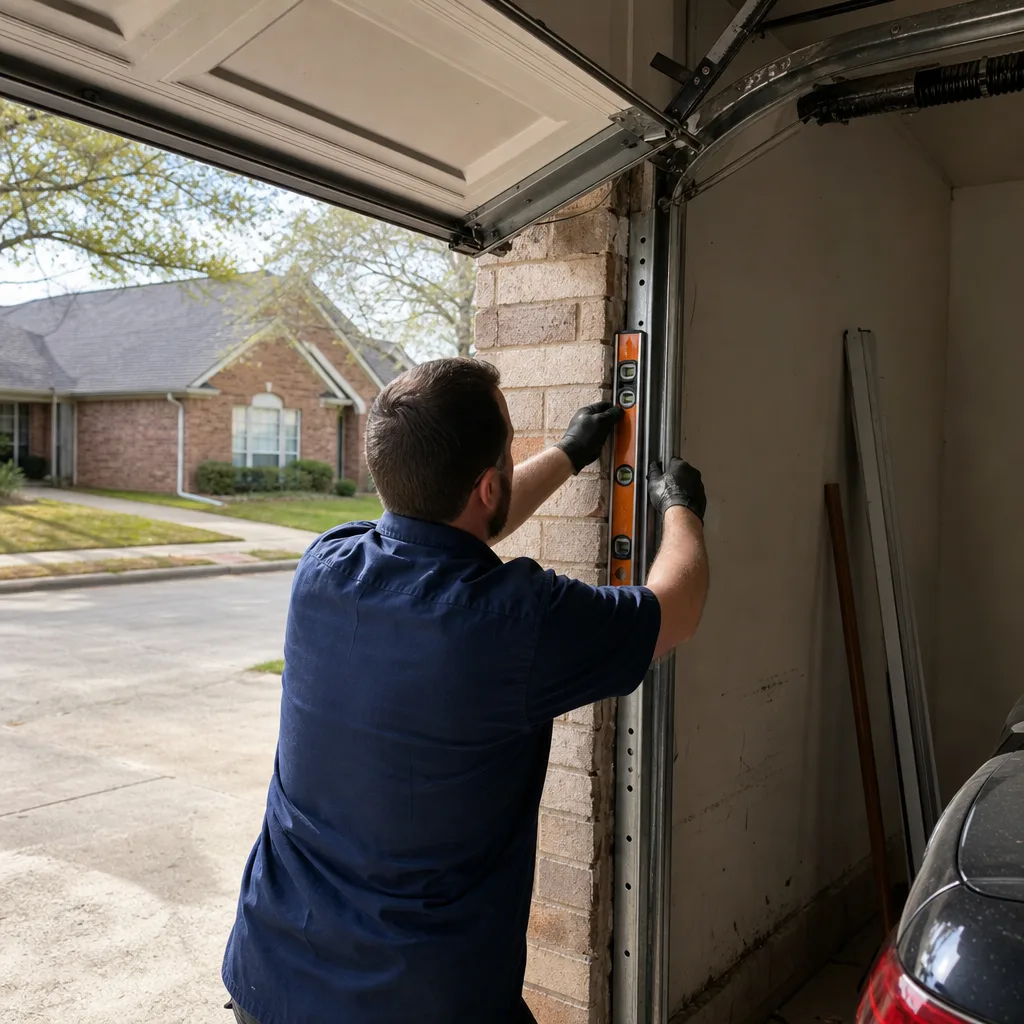
- Daylight visible under the closed door. This is the simplest test in the book. Stand inside with the door down and the lights off. If you see light under the seal, the compression has failed or the seal has torn away from the retainer at one end.
- A draft you can feel at ankle level. North Texas wind finds every gap. If you feel air moving across the garage floor near the door, the seal is no longer making contact across the full width, often because the rubber has flattened from years of compression.
- Water pooling inside after rain. Arlington storms push water against the door face, and a failed seal means it runs right under. We see this most often on doors that face east into the prevailing weather; the seal doesn’t leak, it channels.
- Visible cracks, splits, or a flattened profile. EPDM rubber hardens over time, especially with UV exposure and the freeze-thaw cycles we get here. A seal that still looks “there” but feels stiff as plastic has already failed; it just hasn’t fallen out yet.
- Pest droppings or debris inside the garage. A 1/4-inch gap under a 16-foot door is a highway for crickets, roaches, and the occasional snake in August. If you’re suddenly seeing insect activity near the door tracks, check the seal before calling pest control.
BeforeAfterReplacement Cost & What’s Included
In Arlington, we price Amarr weather seal replacement at $110-$220 installed, and that number is written before we touch anything, per Clause 1 of The Haven Standard. The range depends on three things: whether it’s a single door or a double-wide, whether the retainer channel needs replacement (corroded or bent channels add $20-$40 for the aluminum extrusion), and whether the seal is a stock T-style or the longer 5.25-inch profile used on some commercial-duty residential doors.
Here’s what that price includes, line by line:
- The correct seal profile for your specific Amarr model, not a universal substitute
- Removal of the old seal and any adhesive residue
- Replacement of the retainer if it’s damaged (quoted separately before work starts)
- Lubrication of the track and hinges as part of the visit
- A photo record of the failed seal before removal and the finished install after
- The 365-Day Done Right Promise on the work
You’ll never see a surprise line item on the invoice. The price we write is the price you pay. If we find something else while we’re under the door, we photograph it, show you, and quote it separately before doing anything about it. Clause 4 of The Haven Standard exists because of exactly this: you see the failed part before anyone quotes a replacement.
DIY or Call Us?
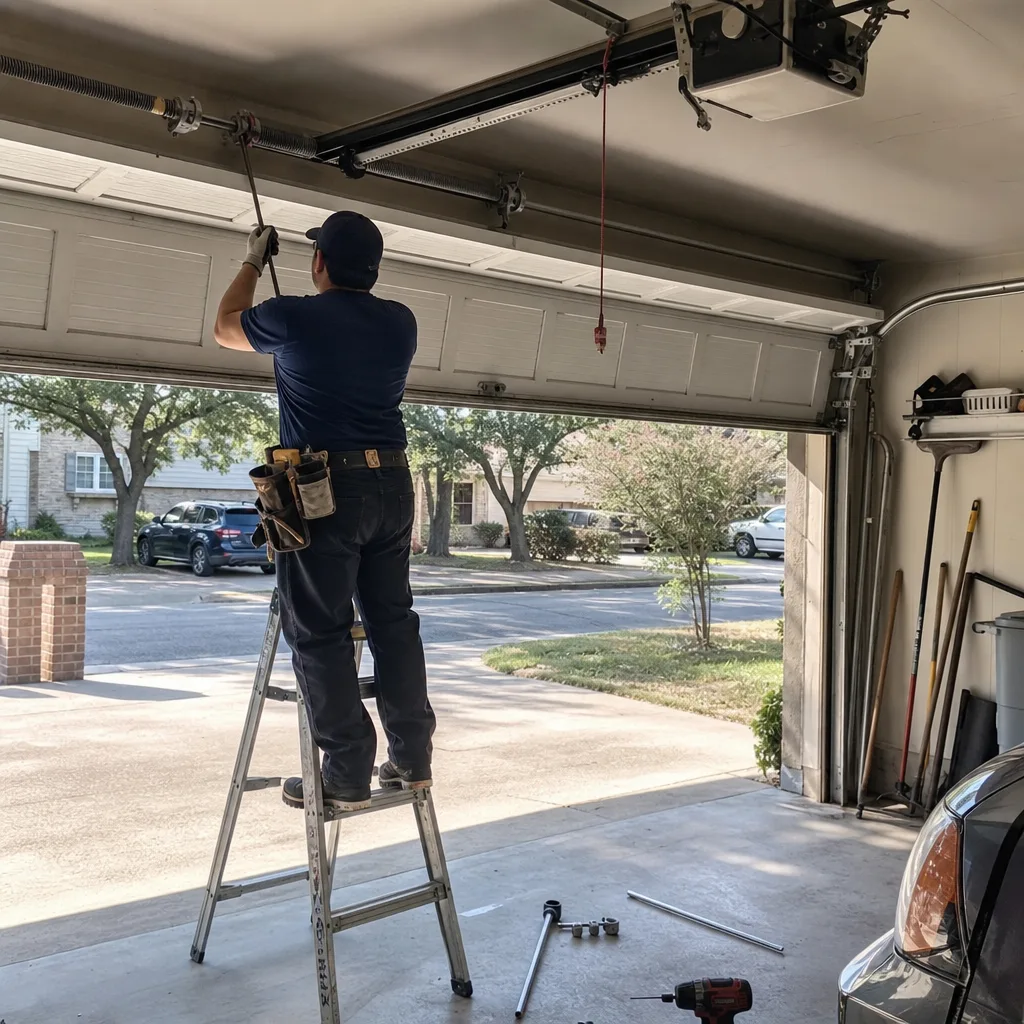
Replacing a bottom seal on an Amarr door is one of the few garage door jobs where DIY is genuinely reasonable, if the door is in good working order and you’re only sliding out an old T-seal and sliding in a new one. It does not involve the torsion spring, cables, or any high-tension component, and that matters. Here’s the honest split:
What you can safely check: the condition of the seal (cracked, flat, torn?), whether the retainer channel is still straight, and whether the door closes evenly on both sides. If the door itself is unbalanced, that’s a spring issue, not a seal issue.
Where DIY goes wrong in Arlington: homeowners order the wrong profile online (the T-style vs bead-style mix-up happens constantly), or they buy a universal seal that’s too wide and then trim it poorly, or they strip the retainer screws getting the old channel off a door that’s been sitting in Texas humidity for 15 years. The first time cost of buying the wrong part twice usually exceeds what we charge to do it right the first time. If you’d rather not gamble, call (682) 452-1782 and we’ll match the part, quote the install, and be done in under an hour.
FAQs
Most Amarr weather seals last 5 to 8 years in Arlington’s climate, but doors with significant sun exposure on the seal face can fail in 3 to 4 years as UV hardens the EPDM rubber. The Texas freeze-thaw cycle speeds the process compared to coastal climates. Call (682) 452-1782 and we’ll check the seal’s condition during a service visit at no extra charge.
No. Once EPDM rubber has cracked or separated, adhesive patches don’t hold under compression and temperature swings. The seal is a wear item, not a repairable component; replacement is the only fix that restores a proper seal.
Most Amarr weather seal replacements take 20 to 40 minutes on site. The seal comes pre-cut to the door width from stock we carry on the truck, so there’s no return trip. We quote the price before starting and finish the same visit.
Yes. Our trucks in Arlington carry T-style and bead-style Amarr-compatible seals in the common widths, plus aluminum retainers in case the channel is damaged. If your door needs an uncommon profile, we order it and return within 2 to 3 business days, with the price still locked from the first visit.
Written by Marcus Deller, Owner, Servo Garage Doors Arlington at Servo Garage Doors Arlington, serving Arlington and nearby areas.