
Last updated September 20, 2026
Full 25-point door and opener safety check with every visit - springs, cables, rollers, tracks, and your LiftMaster or Chamberlain opener included
You get a price before we start. It does not change when the truck arrives.
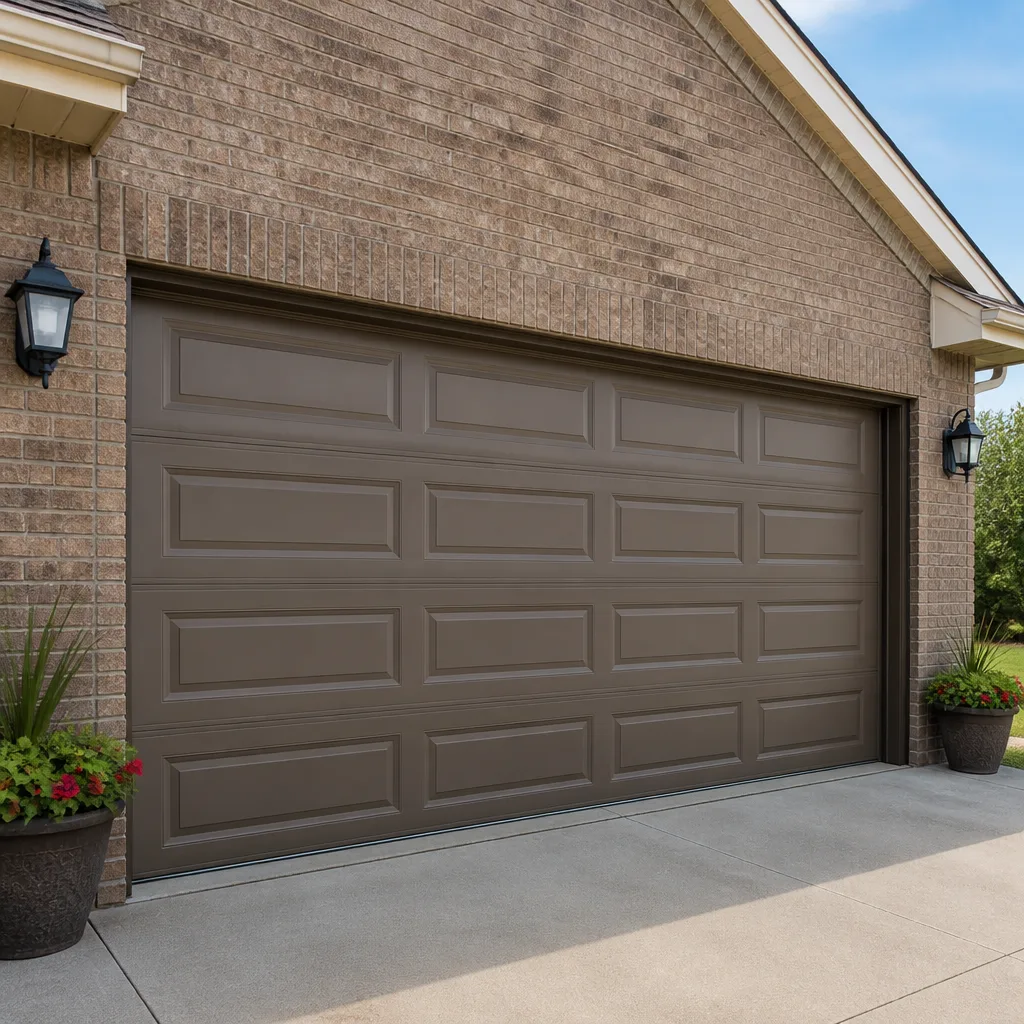
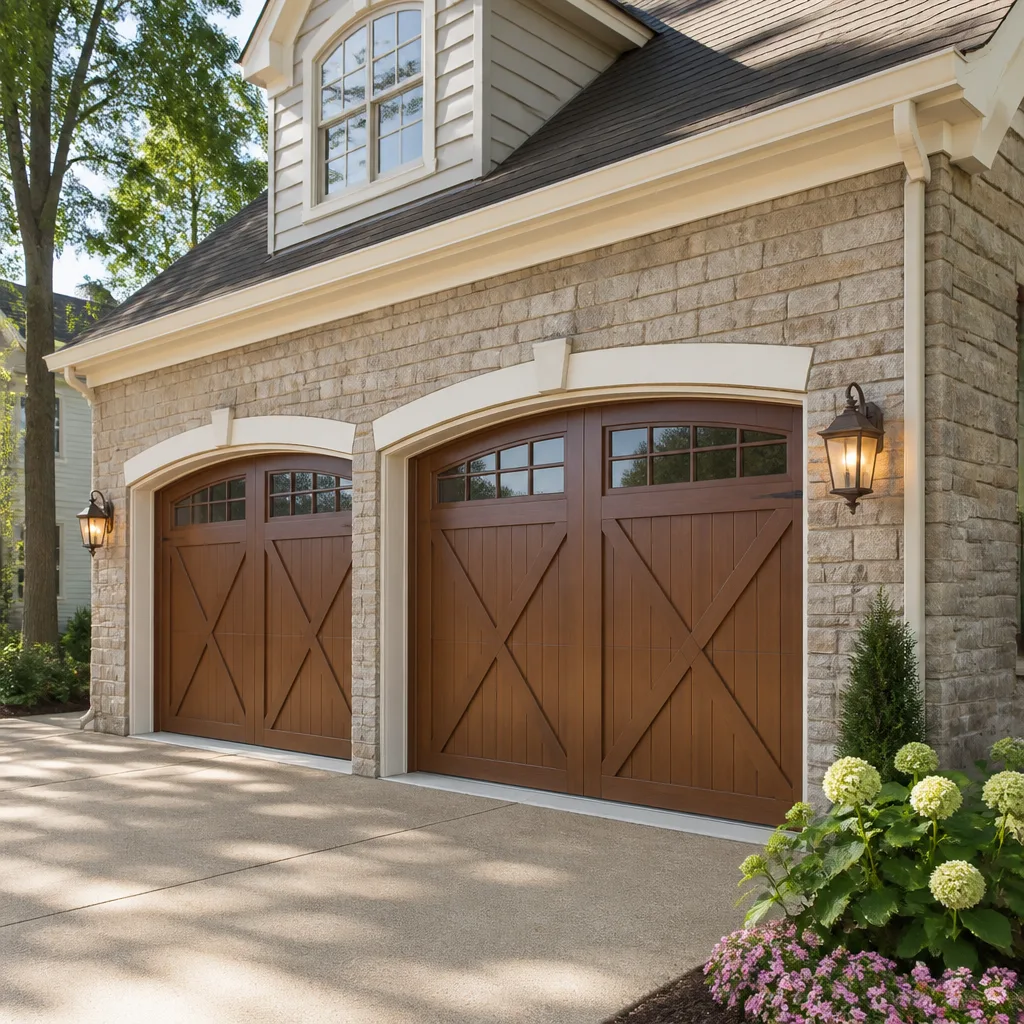
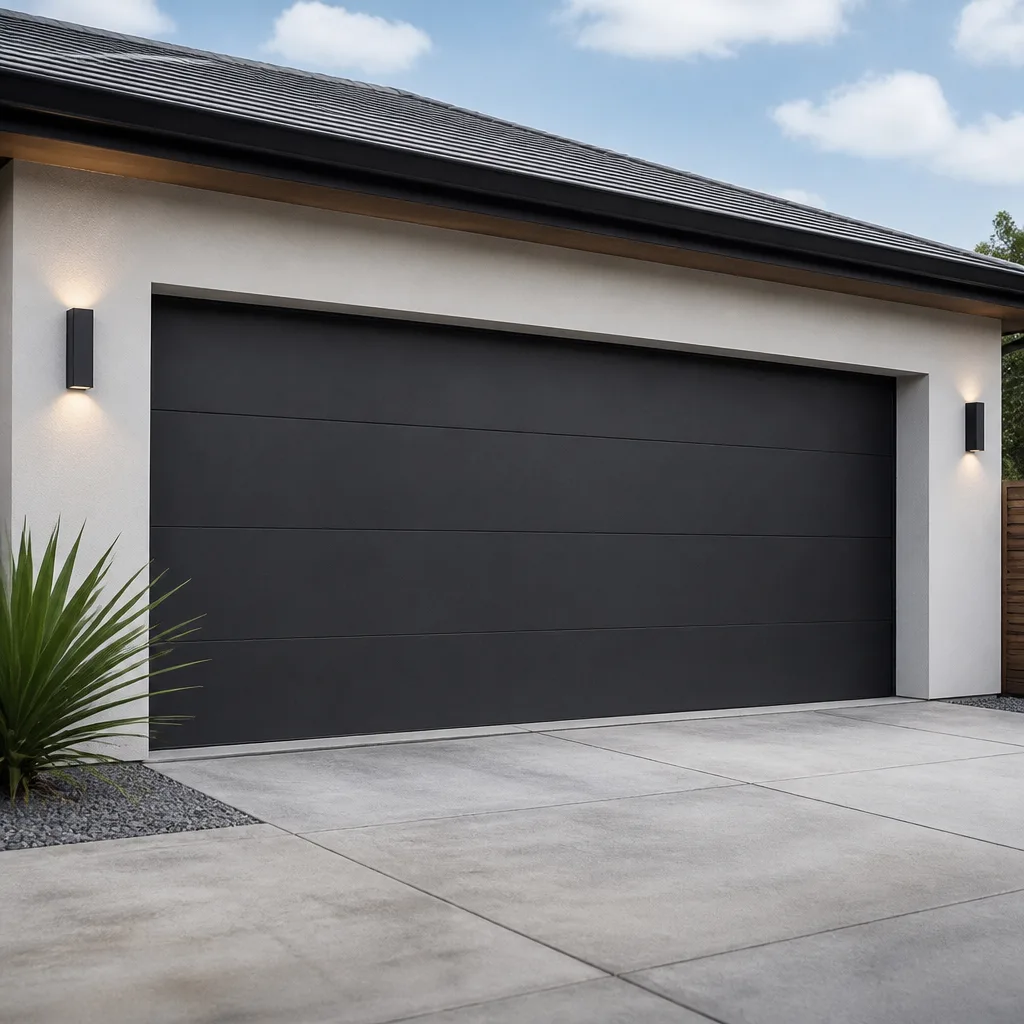
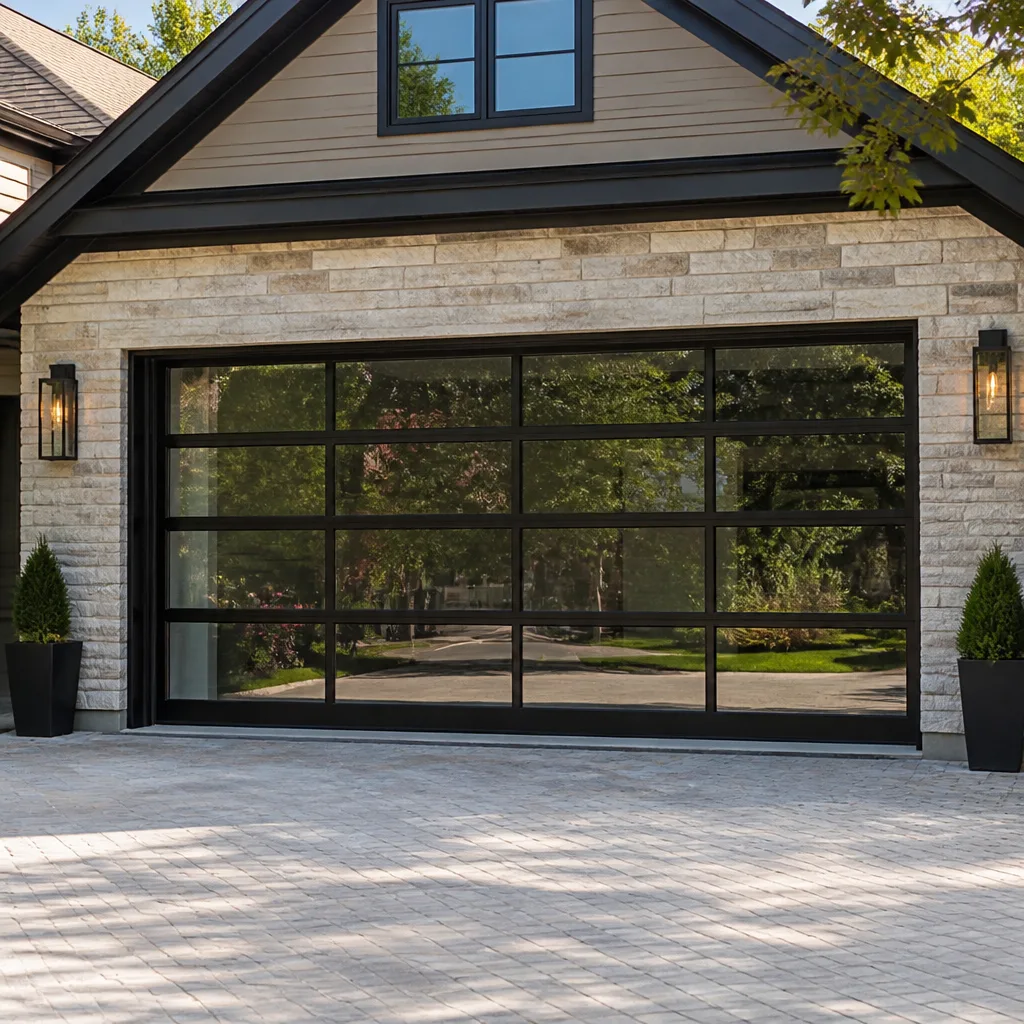
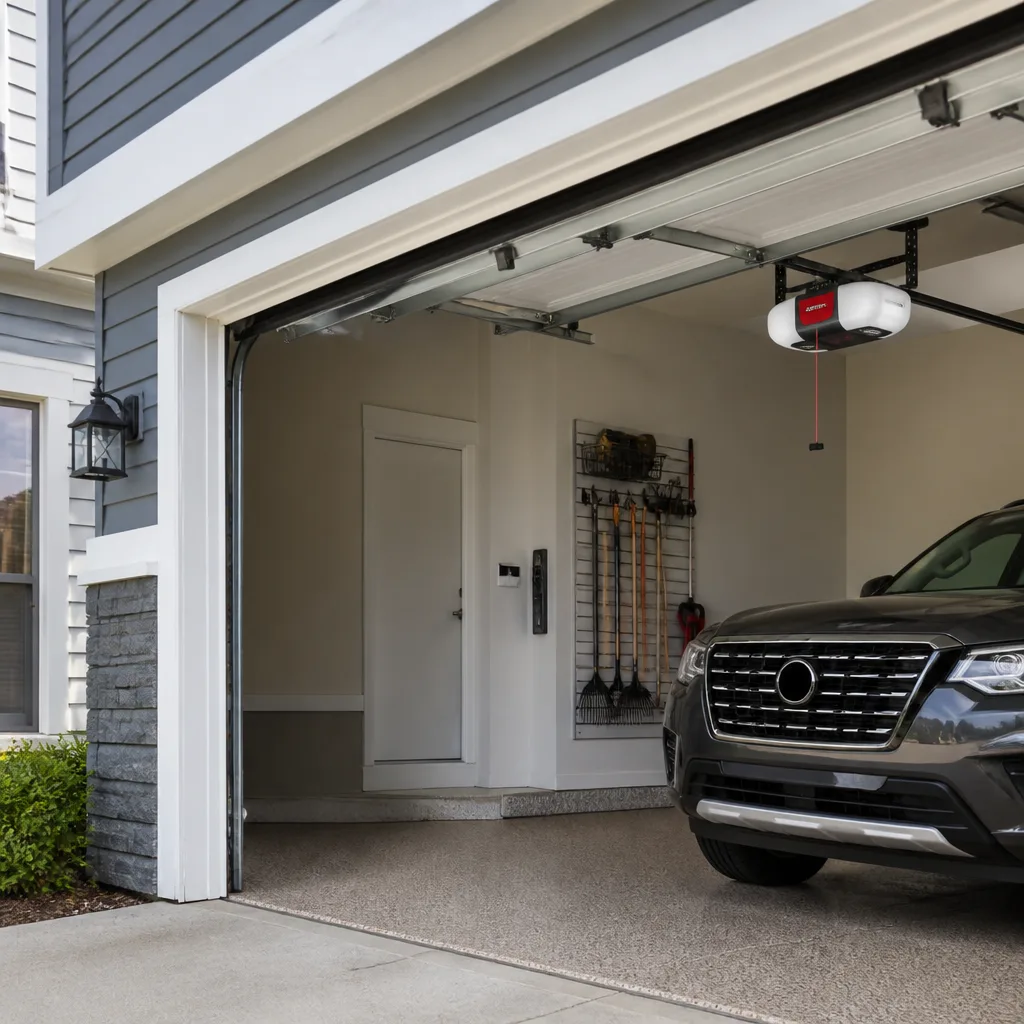
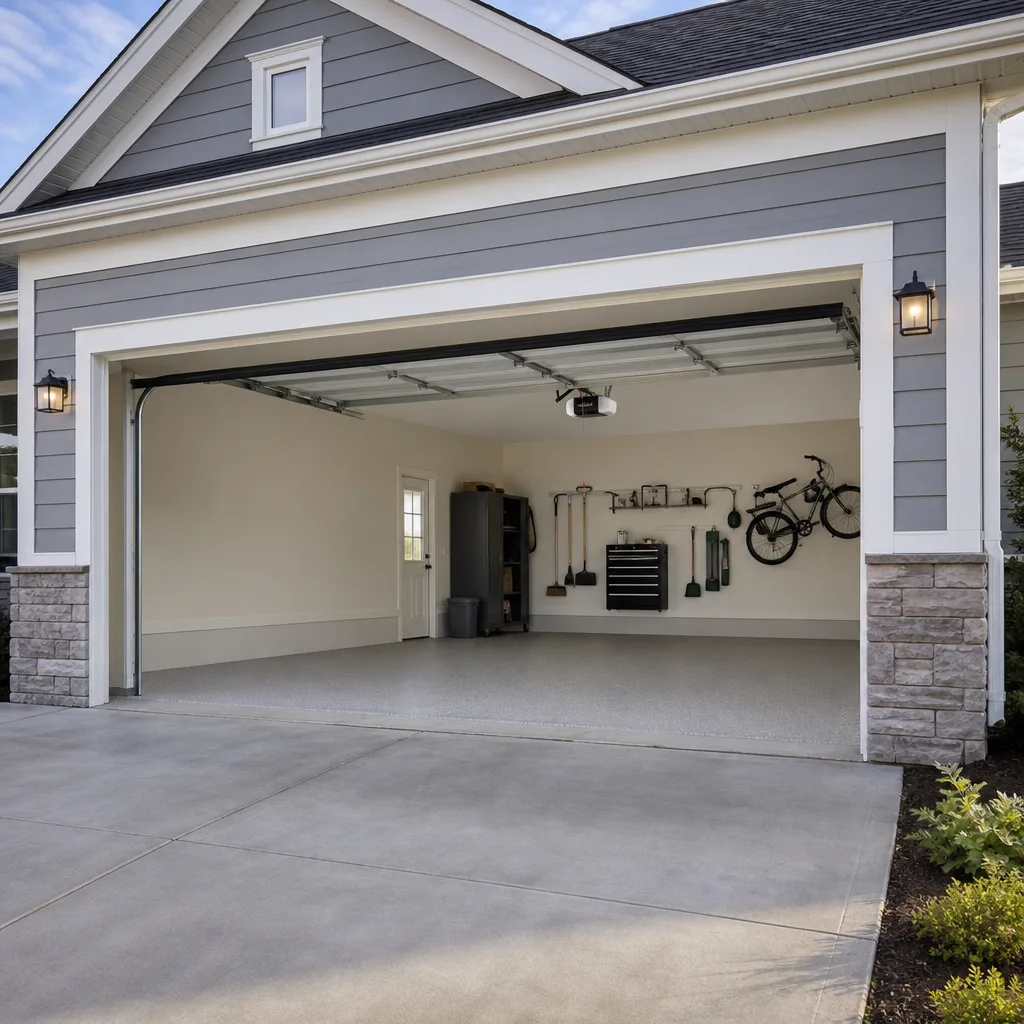
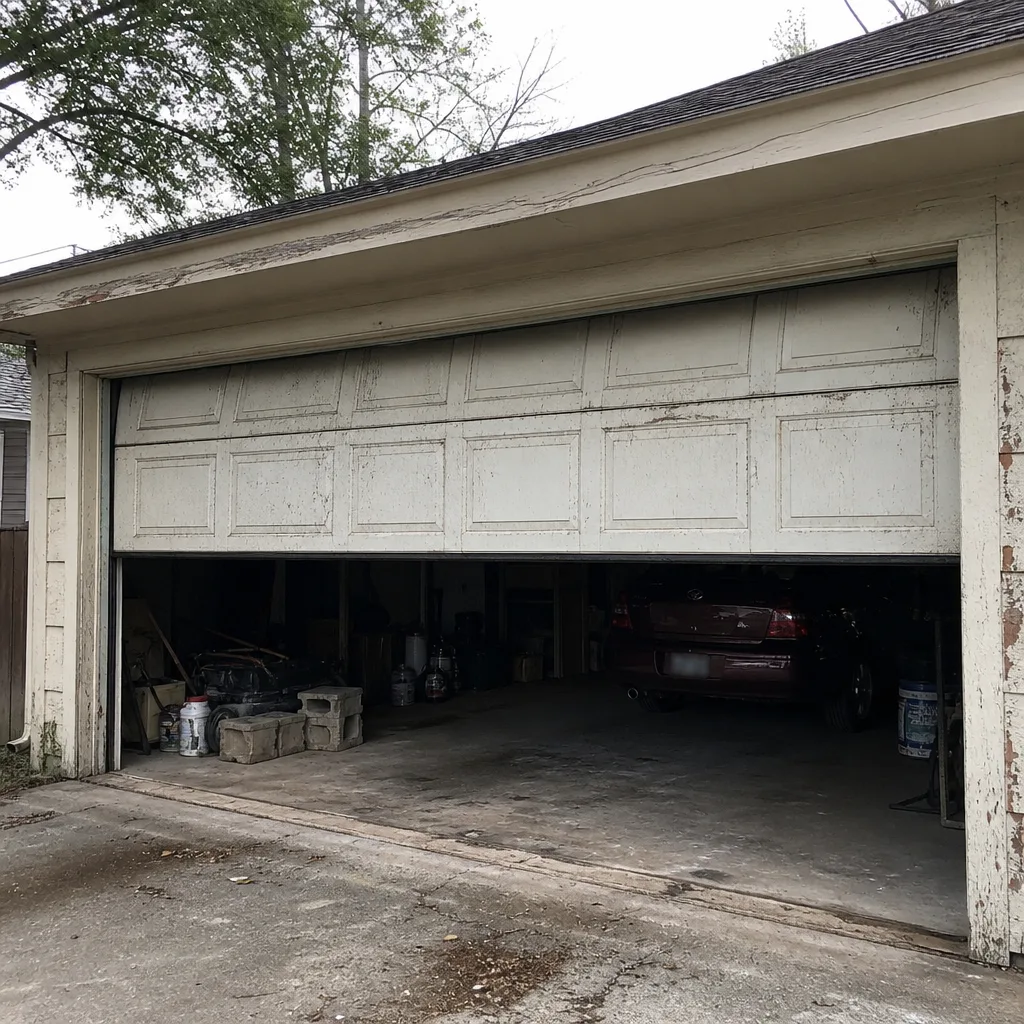 Before
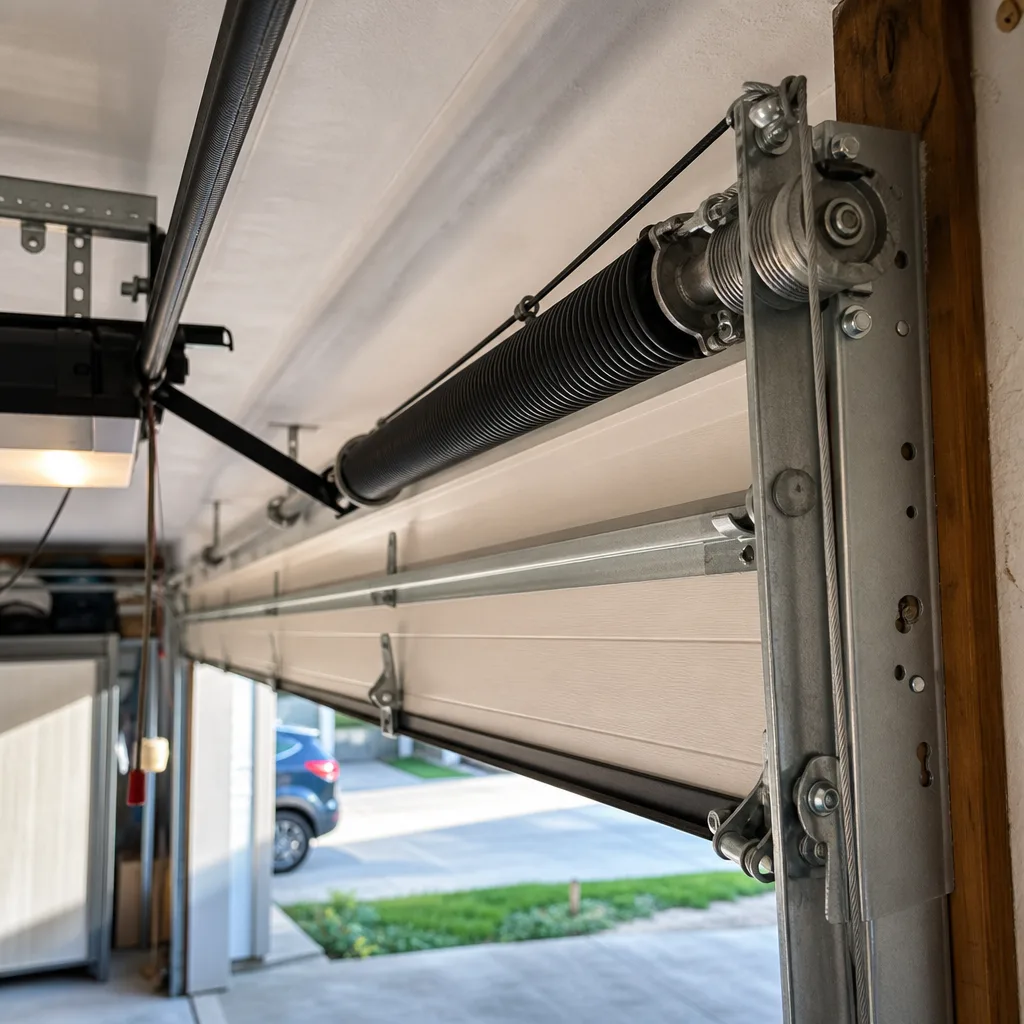 After
After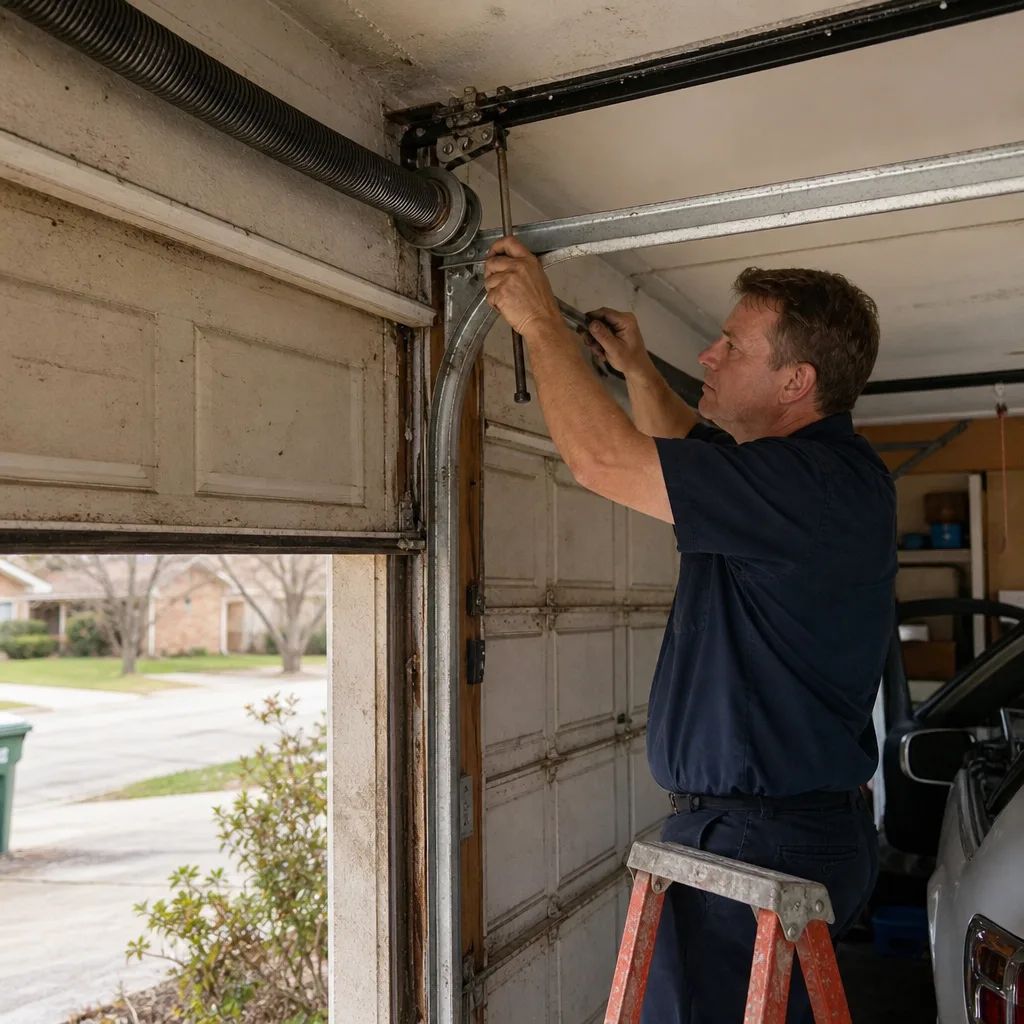 Before
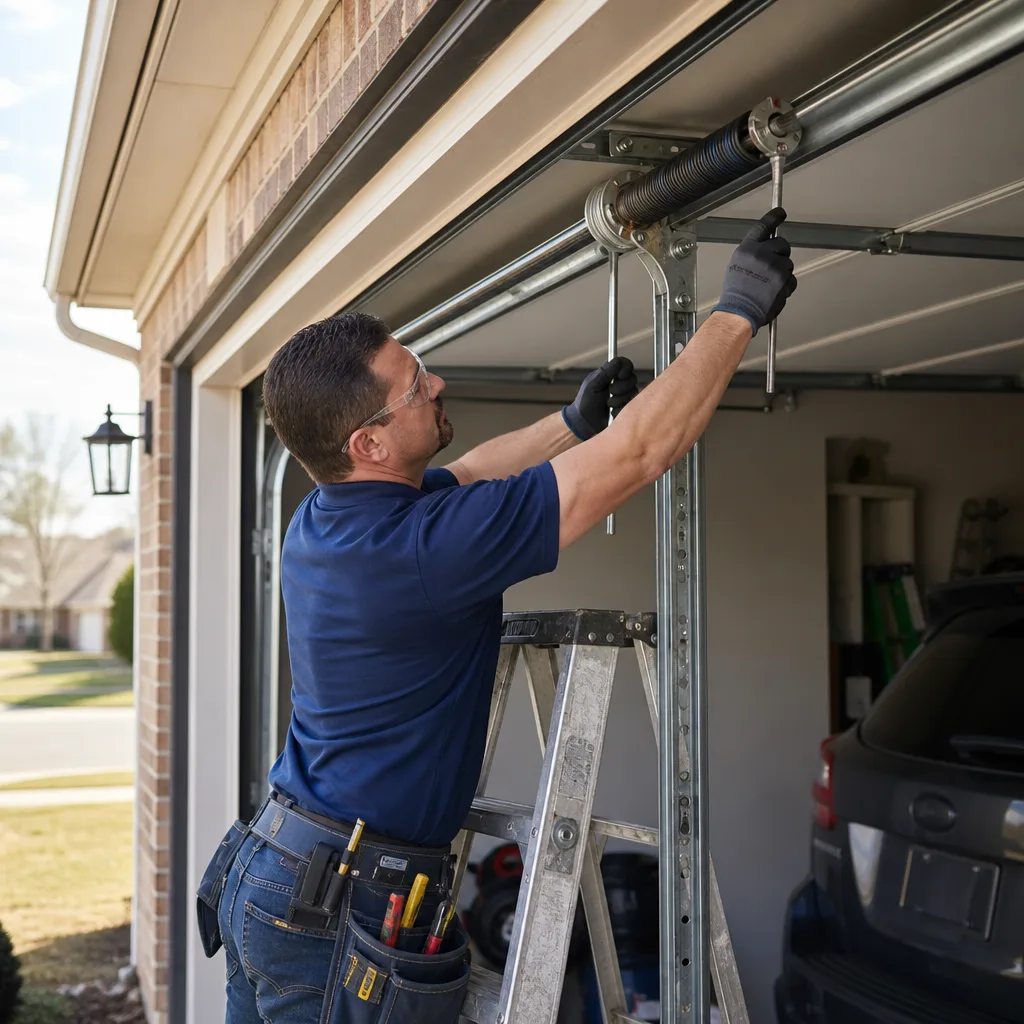 After
After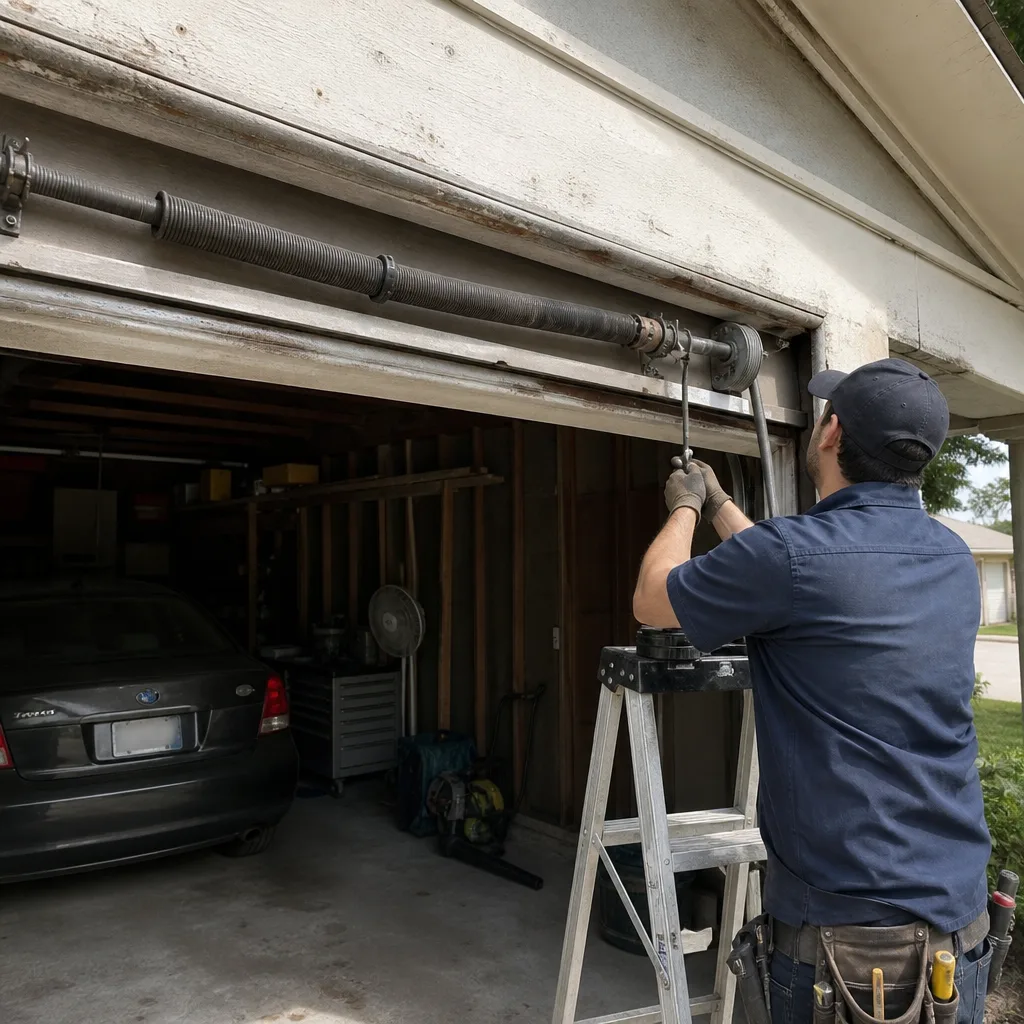 Before
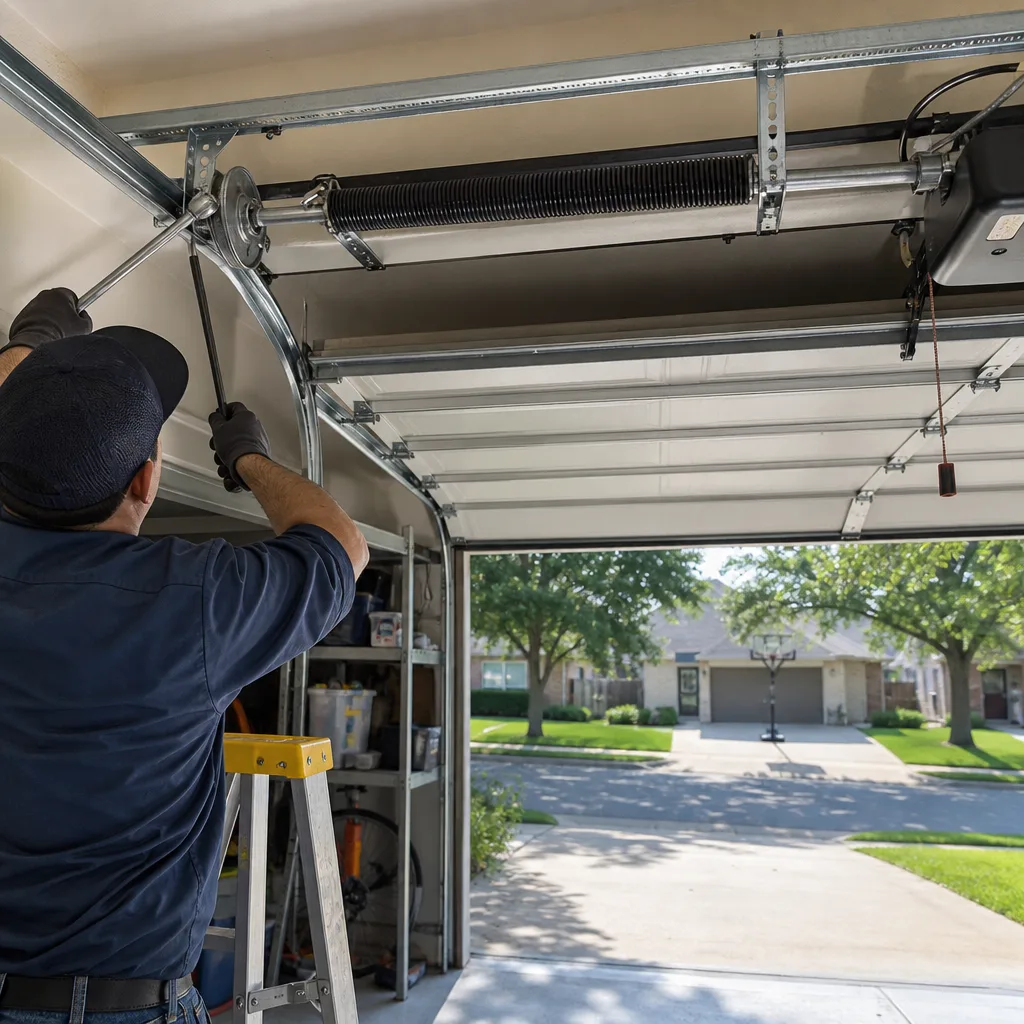 After
AfterGarage Door Permits, Codes & Inspections in TX: What You Need to Know
An unpermitted garage door replacement in Arlington rarely announces itself. The door opens, the door closes, and for five or six years nobody asks a single question. Then the house goes under contract, the title search runs, and the city’s records show a building permit was pulled for the water heater in 2016 but not for the garage door replacement in 2021. The buyer’s lender pauses. The closing date slips. Somewhere in there, a retroactive inspection gets scheduled, and it will cost more than the original permit would have. This guide walks through exactly when Arlington requires a permit for garage door work, what the inspector actually looks at, which Texas code sections apply, and what the paperwork means when you sell or file an insurance claim. For Garage Door Repair Maintenance Checklist for Arlington Homeowners, see our related resource.
Quick Answer
In Arlington, a garage door replacement that swaps an existing door for a same-size unit using the existing opening typically qualifies as like-for-like and does not require a building permit. A new installation, a door that changes the opening dimensions, or any work that alters the structural header above the opening does require a permit through the City of Arlington Development Services. When a permit is required, the inspection checks three things: the header load path, the opener’s UL listing, and egress compliance for the door’s emergency release.
Table of Contents
- When a Garage Door Permit Is (and Isn’t) Required in Arlington
- What the Arlington Inspection Actually Checks
- Texas Residential Code Sections That Apply to Garage Doors
- Fire Separation Requirements for Attached Garages
- HOA Rules vs. City Code: Which Document Governs
- The Paper Trail and Why It Matters at Resale and for Insurance
- What Happens When You Sell a Home With an Unpermitted Door
- Common Mistakes to Avoid
- When to Call a Professional
- Frequently Asked Questions
- The Bottom Line
BeforeAfterWhen a Garage Door Permit Is (and Isn’t) Required in Arlington
The line between a permitted job and a like-for-like swap is drawn by what changes. If the existing opening stays exactly as it is and the new door matches the old door’s dimensions, weight class, and mounting method, the city of Arlington classifies it as a maintenance replacement. No permit. No inspection. No file created at City Hall. This is the majority of what we do on a Garage Door Repair in Arlington call: a torsion spring fails, a section gets dented, a track gets bent, and the replacement parts fit the opening that’s already there.
A permit enters the conversation when any of these conditions apply:
- The opening dimensions change. Widening a single-car opening to fit a double door, or cutting a new opening where none existed, alters the load on the header beam above.
- The header or supporting structure is modified. This includes adding a steel reinforcement plate, sistering new lumber onto the existing header, or replacing a rotted header beam.
- New construction. A garage built from the slab up, or a garage door added to a newly enclosed carport, always triggers the full permit process.
- The door is converted from manual to automatic. Adding an opener to a door that never had one can require an electrical permit, because a new circuit or outlet is being added to the garage.
Arlington’s threshold is practical rather than punitive. The city isn’t trying to regulate spring replacements or panel swaps. The permit exists so that when something structural changes, a trained inspector verifies the work before the wall gets closed up and the evidence disappears. We’ve replaced doors in neighborhoods across Arlington, from Interlochen to Dalworthington Gardens, and the conversations with Development Services are consistent: same-size swap, no problem. Changed opening, bring the drawings. If you’re unsure whether your door shows warning signs, read our Garage Door Warning Signs: A Arlington Homeowner’s Reference Guide.
One nuance Arlington homeowners miss: the permit fee itself is modest, usually under $100 depending on the project valuation. What makes an unpermitted structural change expensive is not the original fee. It’s the penalty multiplier applied when the work is discovered later. Arlington, like most Texas cities, charges a penalty that can be double or triple the original permit fee for work done without a permit, plus the cost of opening up finished surfaces for inspection.
What the Arlington Inspection Actually Checks
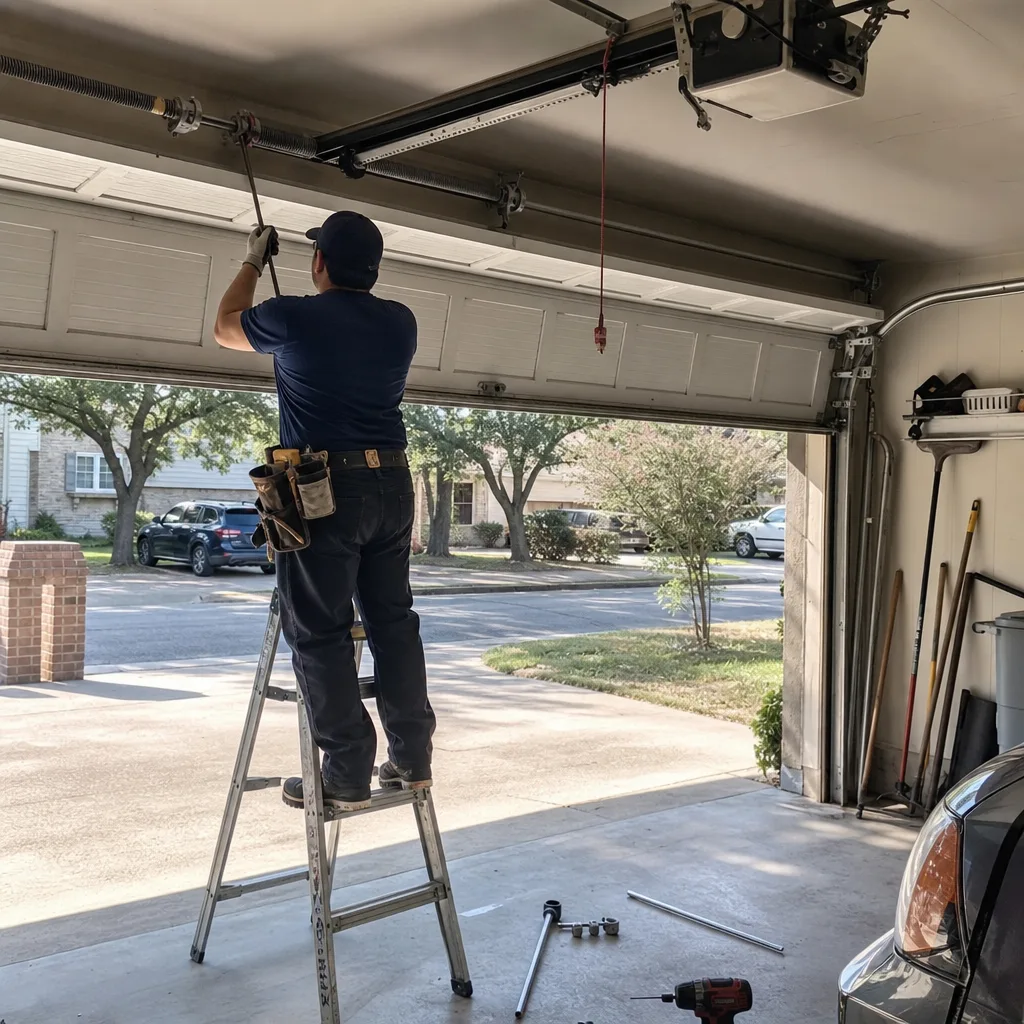
Homeowners picture an inspector running the door up and down twice and signing a clipboard. The actual inspection is more specific, and it happens in two stages for new construction: a rough-in inspection before the walls are closed, and a final inspection after the door and opener are installed. For a replacement that triggers a permit, the rough-in may be skipped if the structure is already exposed.
Here’s what the inspector verifies, in order:
- Header load path. The beam above the garage door carries the weight of the garage ceiling, any rooms above the garage, and in some Arlington homes built in the 1980s and 1990s, a portion of the roof line. The inspector confirms the header is sized for the span and that the load transfers down through the king studs and jack studs on both sides. This is not a cosmetic check. Undersized headers sag over time, and the door begins to bind in its tracks.
- Opener UL listing. The garage door opener must carry a UL 325 listing, which certifies that the unit’s safety reversal system meets the federal standard for automatic residential garage door operators. The inspector verifies the label is present and legible. This comes up most often when a homeowner has bought a used or refurbished opener online, where the UL label has been removed or the unit is gray-market stock for a different region.
- Safety reversal function. The inspector will place a 2×4 flat on the floor under the closing door, then run the door down. The door must reverse within two seconds of contacting the board. This tests the opener’s mechanical sensitivity, not just the photoelectric sensors.
- Photo eye alignment. The photoelectric sensors mounted about 6 inches off the floor on both sides of the opening must be wired and aligned so the door will not close if the beam is broken. The inspector checks that the sensors are mounted no higher than 6 inches above the floor, which matches the Texas adoption of the International Residential Code.
- Egress compliance. The emergency release handle must be accessible, red, and functional. This is the one that surprises people: the inspector will actually pull the release cord to confirm the door disengages from the opener carriage and can be lifted manually.
- Fire rating, if attached. If the garage shares a wall or ceiling with living space, the door itself and the wall assembly must meet the fire separation requirements in the Texas Residential Code. This is covered in detail in the next section.
The inspection is thorough but fast. A typical final takes 20 to 30 minutes if the work was done correctly. If the inspector finds an issue, you get a correction list and a re-inspection fee, which in Arlington is typically less than the original permit fee but still an avoidable cost.
Texas Residential Code Sections That Apply to Garage Doors
Texas does not write its own building code from scratch. The state adopts the International Residential Code with Texas-specific amendments, and Arlington enforces the current adopted edition through its Development Services Department. The sections that matter for garage doors are scattered, but here’s what actually applies to a residential installation.
R309: Garage and Carport Opening Protection
Section R309 covers the garage-to-house connection. The specific requirements are:
- R309.1: Openings between a garage and a residence must be equipped with doors that provide the required fire separation. For an attached garage, that’s a 20-minute fire-rated door or a solid wood door not less than 1-3/8 inches thick, or a solid or honeycomb-core steel door not less than 1-3/8 inches thick.
- R309.2: The garage door itself, the big vehicle door, isn’t required to be fire-rated. What’s required is the separation between the garage interior and the living space. The vehicle door is the weak point in a garage fire, and the code accepts that because the door faces outside, not toward the bedrooms.
What this means in practice is that the garage door itself rarely drives a fire-separation failure. The issues come from the wall between the garage and the house: drywall that’s been punctured, a man-door that’s been replaced with a hollow-core interior door, or a dryer vent routed through the shared wall without a fire damper.
R315: Carbon Monoxide Detection
Texas amendments require carbon monoxide alarms in homes with fuel-fired appliances or attached garages. This is not a garage door code section, but inspectors flag it during garage-related work because the garage is where CO intrusions typically originate. If your Arlington home has a natural gas water heater in the garage and no CO alarm in the adjacent living area, an inspector may note it while reviewing the garage door’s gas strut or opener outlet location.
UL 325 and the Automatic Garage Door Opener
Technically a product certification standard rather than a code section, UL 325 is incorporated by reference into the Texas Residential Code. Every automatic garage door opener sold in the United States after 1993 must meet UL 325, which requires the safety reversal system and the photoelectric sensors. When an inspector checks your opener’s UL label, they’re enforcing a federal standard adopted into state code.
We mention this because it drives a practical purchasing decision. A LiftMaster or Chamberlain opener from a big-box store in Arlington carries the UL listing. A used unit from an estate sale might not. The inspector’s job is to check, and a missing label means the opener gets replaced or the permit gets denied.
Fire Separation Requirements for Attached Garages
Here’s the part most guides skip. When a garage shares a wall or ceiling with conditioned living space, the Texas Residential Code treats the entire garage as a fire hazard that must be contained. The garage door itself is only one component of that containment system.
The specific requirements, drawn from R302.5 and R309:
- Wall separation. The wall between the garage and the living space must be covered with 1/2-inch gypsum board on the garage side. If there’s habitable space above the garage, the ceiling must have 5/8-inch Type X gypsum board, or 1/2-inch gypsum board with a fire-rated assembly.
- Man-door requirements. The door from the garage into the house must be either a solid wood door at least 1-3/8 inches thick, a solid or honeycomb-core steel door at least 1-3/8 inches thick, or a 20-minute fire-rated door. It must be self-closing. No pet doors allowed.
- Duct penetrations. HVAC ducts that pass through the garage-to-house wall or ceiling must be protected. This is a common correction item in Arlington homes where an ambitious DIY homeowner ran a bathroom exhaust vent through the garage ceiling without fire dampers.
- Electrical penetrations. Junction boxes, outlet boxes, and recessed fixtures in the separation wall must be fire-rated or protected. An unrated plastic outlet box in that wall is a code violation the inspector will flag.
Where this intersects with garage door work: a permitted Garage Door Installation in Arlington will often include the inspector walking the inside of the garage and checking the separation wall. If the drywall has been kicked in, if the man-door has been swapped for a hollow-core unit, or if a previous owner punctured the wall for a workbench outlet, the inspector can require corrections before the garage door permit gets final approval. It’s not that the garage door company did anything wrong. It’s that the inspection opened the garage to review, and the reviewer saw what they saw.
This is worth knowing before installation day. If your Arlington garage has a separation wall problem, you want to fix it before the inspector arrives, not after a correction notice adds a re-inspection fee and a delay.
HOA Rules vs. City Code: Which Document Governs
Arlington has dozens of subdivisions with active HOAs, and some of their architectural guidelines are stricter than anything in the Texas Residential Code. The city’s permit is a floor, not a ceiling. An HOA can require things the city does not, and they do.
Common HOA restrictions on garage doors in Arlington subdivisions:
- Material restrictions. Some neighborhoods in the Viridian master-planned community and similar developments restrict garage door materials to wood-look steel or specific brand lines, banning bare aluminum doors as not consistent with community character.
- Color approvals. An HOA may require architectural committee approval for any door color that isn’t in the original builder’s palette. Painting an almond door to a dark bronze without approval can generate a violation letter even though the city couldn’t care less about door color.
- Window restrictions. Garage doors with glass panels may be restricted or prohibited in some subdivisions for privacy reasons, even though the Texas Residential Code has no such restriction.
- Opener noise limits. A few HOAs restrict belt-drive vs. chain-drive openers based on noise transmission to adjacent units, particularly in attached townhome developments.
When city code and HOA rules conflict, the more restrictive standard governs. But here’s what matters for the permit conversation: an HOA violation does not invalidate a city permit, and a city permit does not absolve you from HOA compliance. They are separate systems with separate enforcement. You can pull an Arlington permit, pass the inspection, and still receive an HOA violation letter for an unapproved door color.
The sequence that works: check the HOA architectural guidelines first, secure written HOA approval if required, then apply for the city permit with the HOA-approved door specified on the plan. Reversing that order means you might get a permit for a door the HOA won’t allow. For help choosing a qualified installer, see How to Hire a Garage Door Contractor in Arlington: A Step-by-Step Guide.
If you’re in an HOA property, the architectural committee wants the same paper trail the city does: a manufacturer spec sheet, a door model number, and a written scope. A door company that provides a written scope as standard practice makes the HOA submission easier to assemble.
The Paper Trail and Why It Matters at Resale and for Insurance
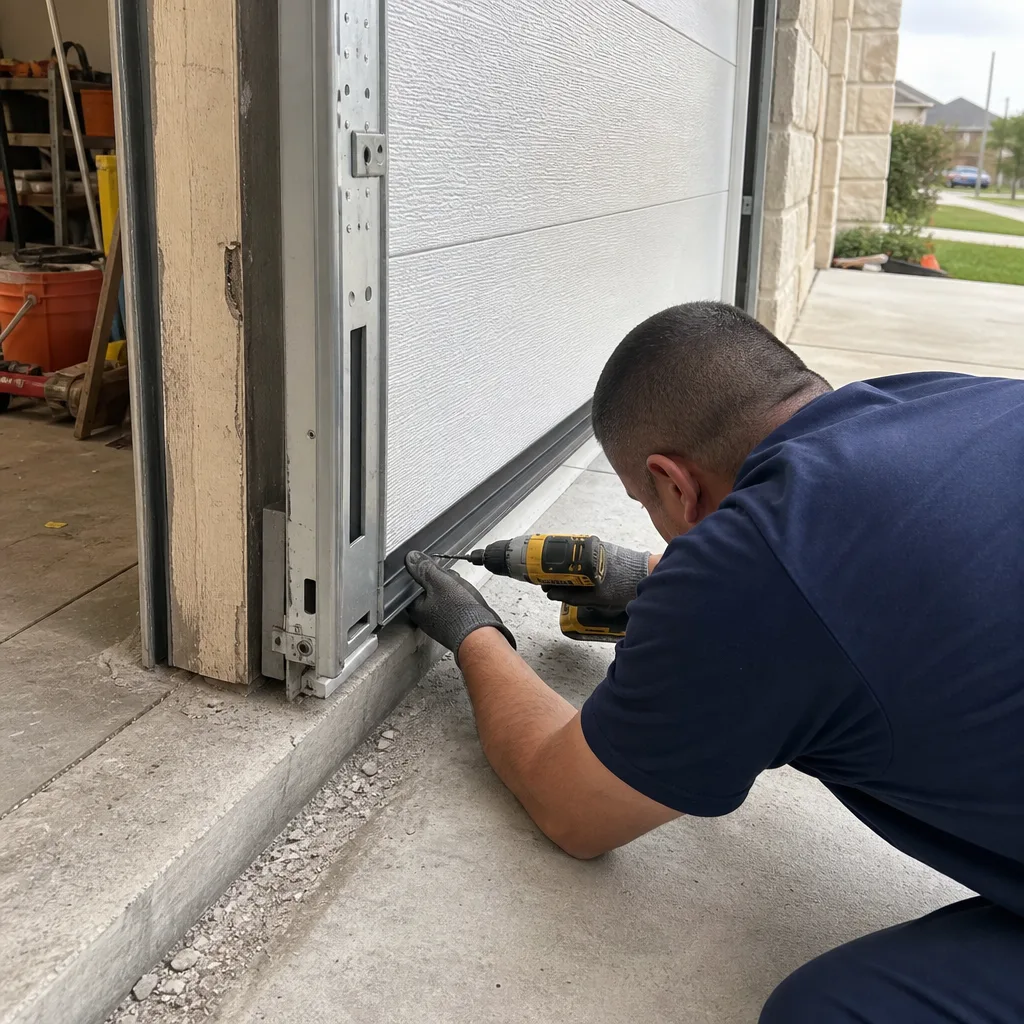
The permit is not just a fee and an inspection. It’s a permanent record in the City of Arlington’s building file. When a garage door installation is permitted, the file contains the application, the approved plan, the inspection results, and the final approval. That file follows the address, not the owner.
Here’s what that paper trail does:
- Resale disclosure. Texas sellers complete a Seller’s Disclosure Notice that asks about unpermitted work. If the garage door was structurally modified without a permit, the seller has a legal obligation to disclose it. A permitted installation lets the seller check “no” with a clear conscience and attach the permit to the disclosure packet.
- Title company review. Title companies in Arlington run a municipal lien search as part of closing. An open or expired permit on the property can appear as a title defect, delaying the closing until it’s resolved. A closed permit clears the file.
- Insurance claims. If a garage door is damaged by a storm, a vehicle, or a fire, the homeowner’s insurance adjuster will ask for proof of installation. A permitted installation with a documented inspection demonstrates the door was installed to code. An unpermitted installation can become a coverage dispute, particularly if the damage is blamed on the installation quality.
- Warranty enforcement. A manufacturer’s warranty on a garage door often requires installation by a licensed professional and compliance with local building codes. The permit file is evidence of compliance, which supports a warranty claim if the door fails.
The insurance angle is underappreciated. Texas homeowners file garage door claims after hail storms, wind events, and the occasional vehicle strike. When the adjuster asks for the installation documentation and the answer is “we don’t have a permit,” the claim doesn’t automatically get denied, but it opens a line of questioning that a permitted installation simply closes.
In our experience, Arlington homeowners who pulled permits for structural garage door work sell their homes faster and with fewer inspection objections. The license number and permit record answer the buyer’s questions before the buyer asks them. This is the same principle behind the photo record we include on every job: evidence creates confidence, and confidence closes transactions.
What Happens When You Sell a Home With an Unpermitted Door
The scenario in the opening paragraph is common enough that Arlington title companies handle it as a routine contingency. A home built in the 1990s or 2000s gets a new garage door installed at some point. The work changed the opening or the header, but the homeowner never pulled a permit. Years later, the title search or the buyer’s inspection finds the discrepancy.
Here’s the sequence:
- The buyer’s inspector flags it. A competent home inspector checks the garage door for code compliance. A nonstandard header, an opener without a UL label, or a door that doesn’t match the opening dimensions will get written up as a defect.
- The buyer’s agent requests documentation. The request comes through: produce the permit and inspection record for the garage door replacement. The seller doesn’t have it.
- Negotiation begins. The buyer may ask for a price reduction, a credit at closing, or a retroactive permit before the sale closes. The retroactive permit process in Arlington requires opening the wall to expose the header, scheduling a rough-in inspection, and then closing the wall and scheduling a final. The expense includes drywall repair, painting, and the inspection fees, typically $500 to $1,500 depending on the scope.
- Or the closing delays. If the buyer won’t close without the permit, the seller must complete the retroactive process before the closing date. In a seller’s market, the buyer may waive the issue. In a balanced market, they won’t.
The math is simple. The original Arlington permit fee for a garage door structural change is under $100. The retroactive process can cost ten to fifteen times that, not counting the stress of negotiating around a title defect.
This is the same reason we document every job with a photo record. You might not need the evidence tomorrow, but when the title search runs or the insurance adjuster calls, you’ll be glad it exists. The documentation is not optional documentation. It’s a founding rule, codified as Clause 4 of The Haven Standard: we photograph the failed part before quoting a replacement, and we photograph the finished work before we leave.
Common Mistakes to Avoid
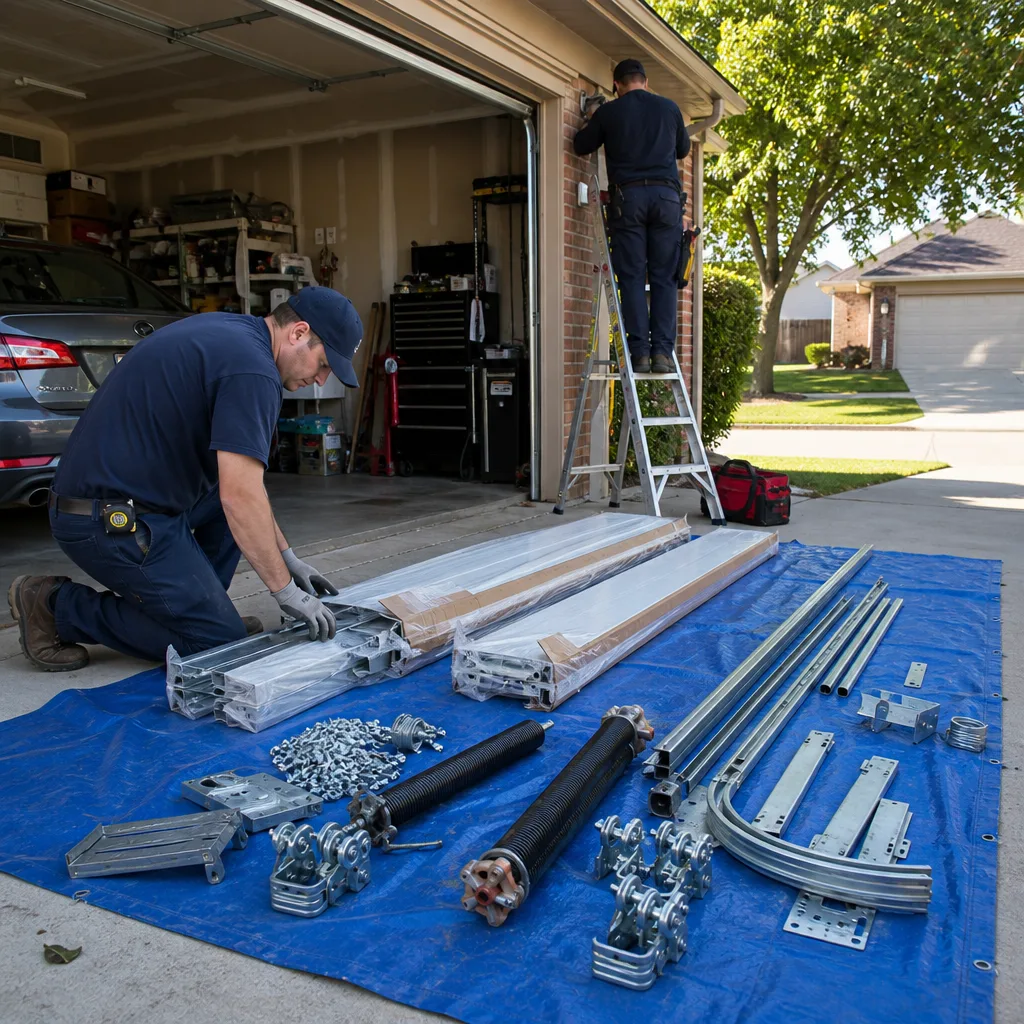
- Assuming every garage door replacement is like-for-like. A door that looks the same size might be heavier, with a different spring weight class and a different load on the header. If the mounting hardware moves, even by an inch, the city may consider it a structural change.
- Skipping the HOA check. In an Arlington subdivision with an active architectural committee, the city permit is the easy part. An unapproved door color or material generates a violation letter that’s harder to fix than a permit would have been.
- Buying a used opener without a UL label. The UL 325 listing is printed on a sticker, and stickers get peeled off. A used opener without the label will fail inspection, and the inspector won’t accept a verbal assurance that it meets the standard.
- Closing up the wall before the rough-in inspection. If the header is modified, the inspector needs to see the framing before the drywall goes back up. Sealing the wall first means cutting it open again, and paying for a re-inspection.
- Ignoring the garage-to-house separation wall. The garage door replacement is one permit, but the inspector reviews the whole garage separation assembly. A punctured separation wall or an unrated man-door becomes a correction on someone else’s permit.
- Not keeping the permit paperwork. The permit file lives at City Hall, but you want your own copy. When the house sells, the permit number and inspection date go in the disclosure packet. Losing the paperwork means chasing city records at closing.
- Treating an HOA approval as a substitute for a city permit. They are separate systems. An HOA approval letter does not satisfy the Arlington permit requirement, and a city permit does not satisfy the HOA architectural review.
When to Call a Professional
If your Arlington home needs a garage door replacement that changes the opening dimensions, alters the header, or converts a manual door to an automatic opener, you’re in permitted-work territory, and the margin for error shrinks. The header load calculations alone are not something a homeowner should guess at. A beam sized for a single-car span may be undersized for a double door, and the failure mode is a door that binds, a header that sags, and an inspector who writes a correction notice.
The professional you want for this work is one who provides a written scope before the job starts, who pulls the permit when one is required, and who delivers documentation when the work is done. A garage door company operating this way makes the permit process a formality rather than an obstacle. Servo Garage Doors Arlington offers free estimates in Arlington, with a flat written price and written scope delivered before any work begins. Call (682) 452-1782 to schedule an estimate.
Frequently Asked Questions
A same-size, like-for-like door replacement in Arlington typically does not require a permit. A permit is required when the opening dimensions change, the header is modified, the door is part of new construction, or a manual door is converted to an automatic opener. When a permit is required, it goes through the City of Arlington Development Services.
The permit fee for a residential garage door installation or structural change in Arlington is typically under $100, calculated on the project valuation. The more expensive cost is the retroactive penalty for unpermitted work, which can run double or triple the original fee. Call our office for current Arlington fee schedules.
The inspector checks the header load path, the opener’s UL 325 listing, the safety reversal function with a 2×4 test, the photoelectric sensor height and alignment, and the emergency release function. If the garage is attached to living space, the inspector also reviews the fire separation wall and man-door.
Yes. An HOA in Arlington can enforce architectural restrictions that are more restrictive than city code, including material, color, and window restrictions. The city permit and the HOA approval are separate systems. The more restrictive standard governs, and an HOA violation stands even with a valid city permit.
The permitted or unpermitted status typically surfaces during the title search or the buyer’s inspection. The buyer can request a price reduction, a closing credit, or a retroactive permit before closing. A retroactive permit requires opening the wall, a rough-in inspection, and a final inspection, typically costing $500 to $1,500.
A permitted installation creates a record in the Arlington building file that supports an insurance claim if the door is damaged by storm, fire, or vehicle impact. An unpermitted installation can become a coverage dispute if the damage is blamed on installation quality. The permit file demonstrates the work met code.
The Bottom Line
The Arlington permit conversation comes down to one question: did anything structural change? If the answer is no, a like-for-like replacement proceeds without city involvement. If the answer is yes, the permit is cheap insurance against a resale delay and a retroactive inspection. Combined with the HOA review and the Texas Residential Code requirements for fire separation, the paperwork stack is manageable when you know what’s required in advance. The homeowners who get it right are the ones who check the HOA first, pull the city permit second, and keep every piece of paper in a file they’ll never need until they do. For a garage door replacement or inspection in Arlington, whether permitted or not, our team provides a written price and scope before any work starts. That’s Clause 1 of The Haven Standard, and it applies on every job we do in Arlington. Explore more guides & resources on our blog.
Written by Marcus Deller, Owner at Servo Garage Doors Arlington home, serving Arlington since 2015.