
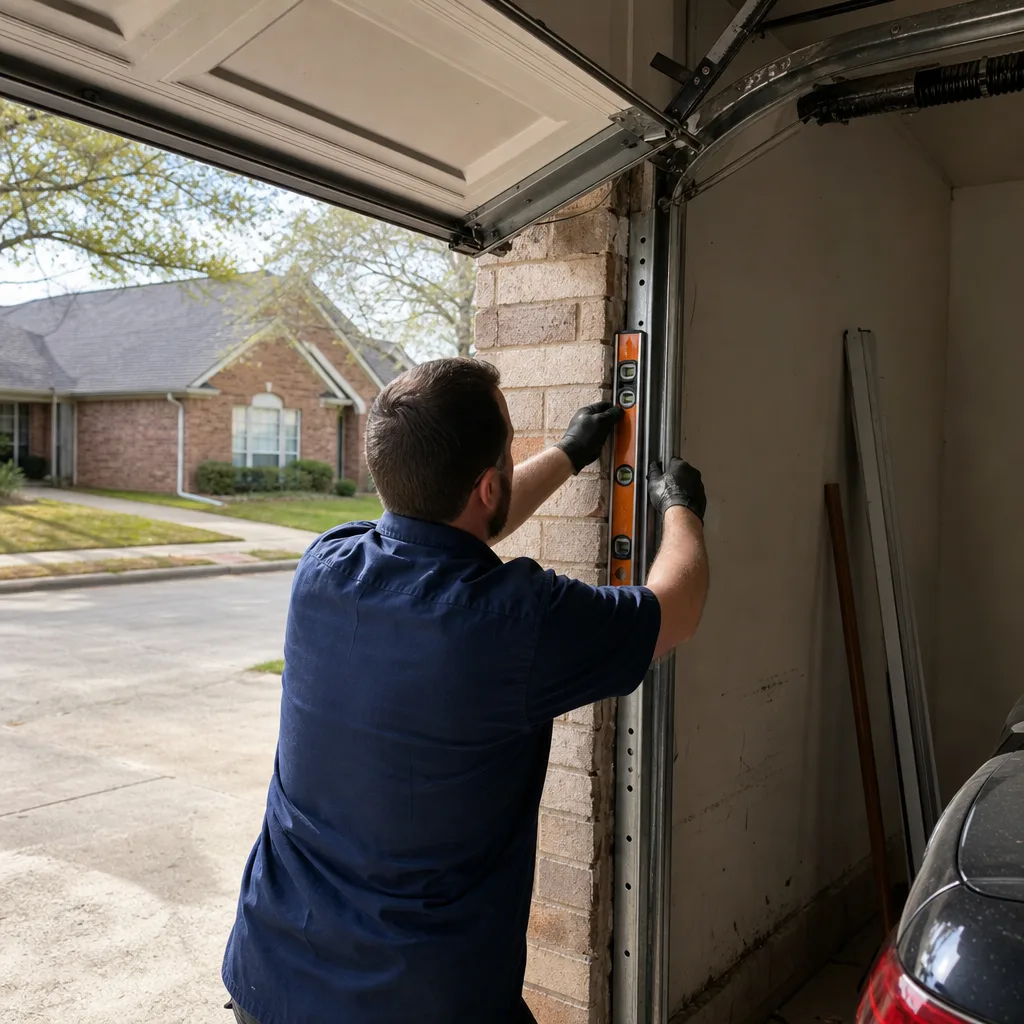
Last updated September 20, 2026
Full 25-point door and opener safety check with every visit - springs, cables, rollers, tracks, and your LiftMaster or Chamberlain opener included
You get a price before we start. It does not change when the truck arrives.
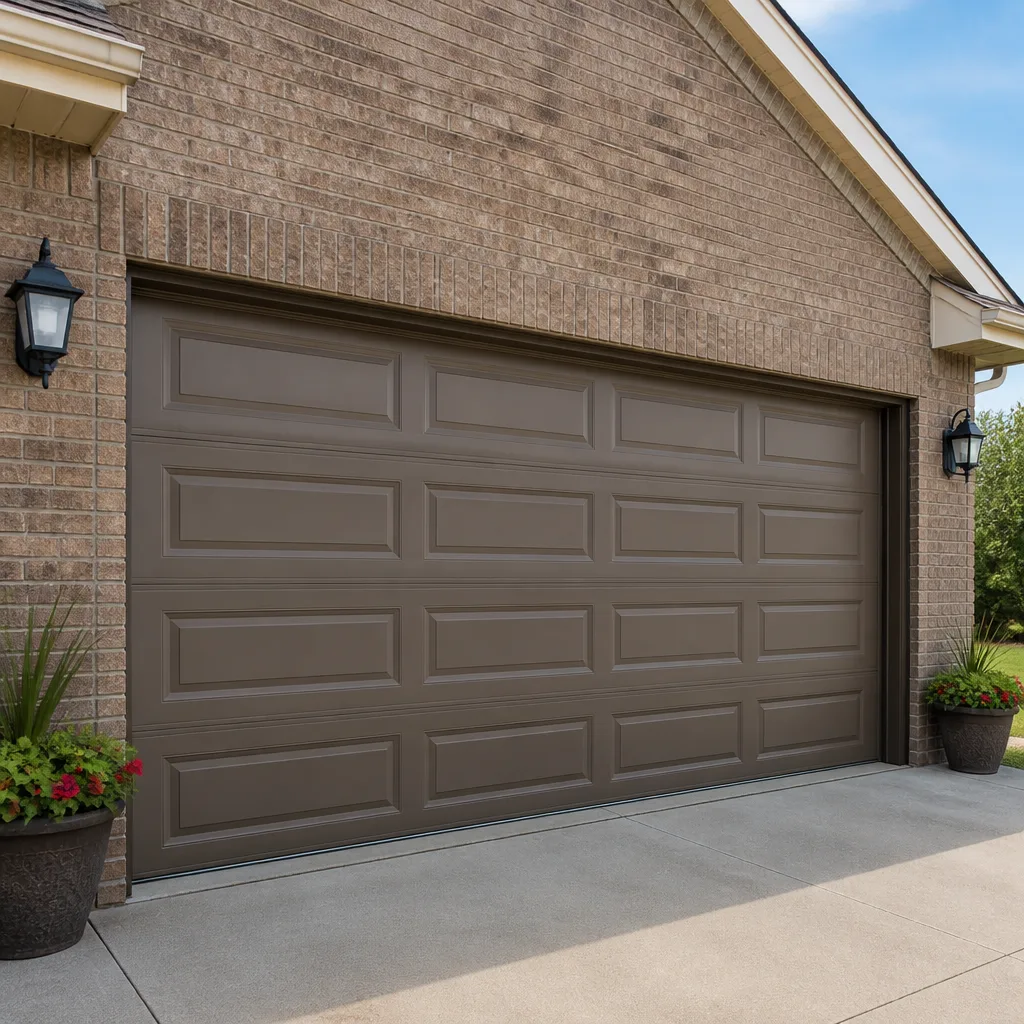
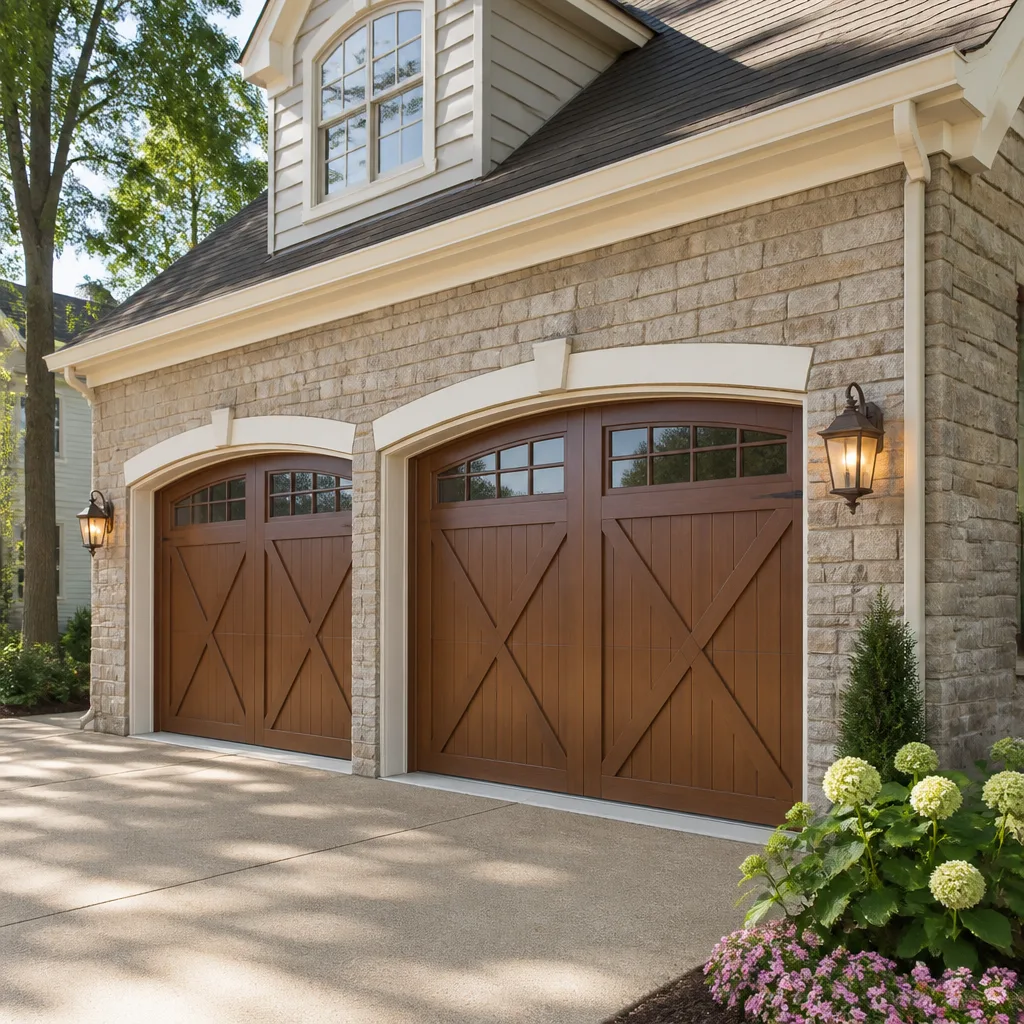
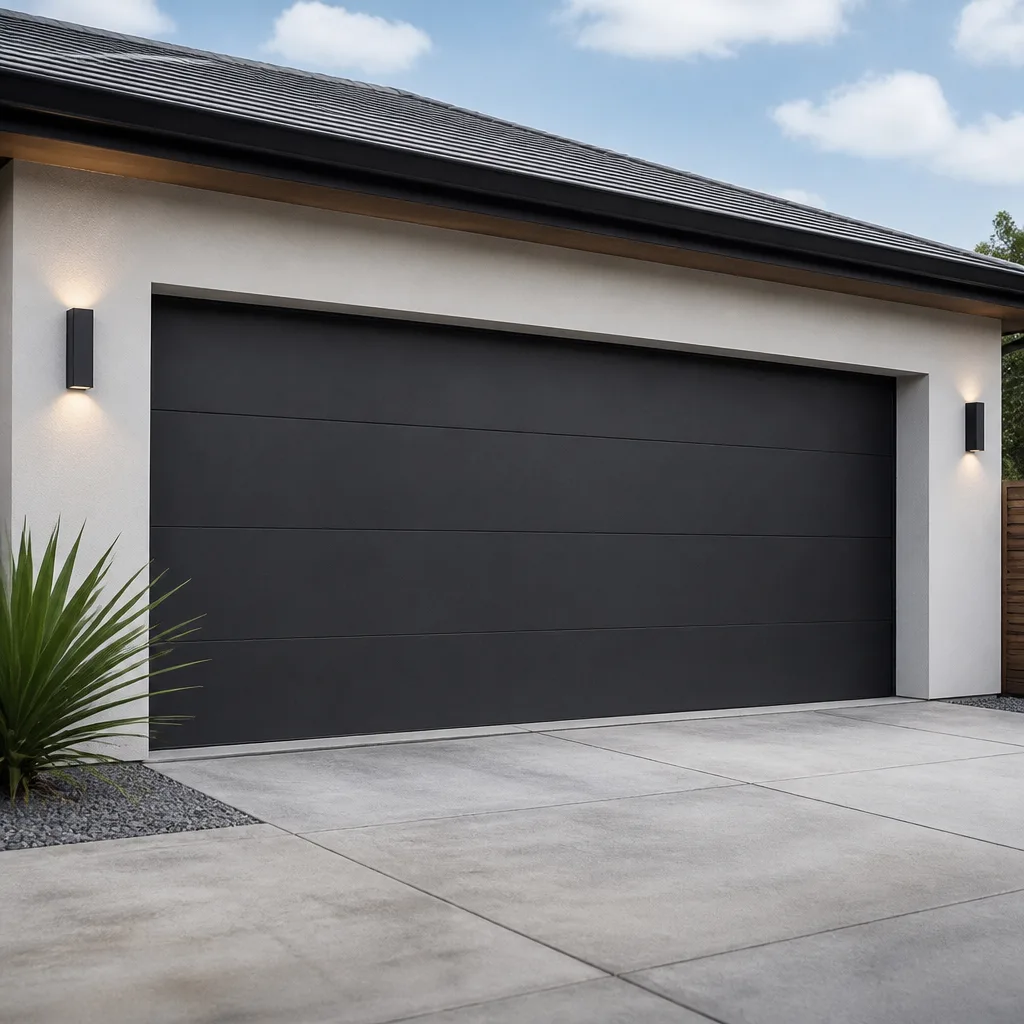
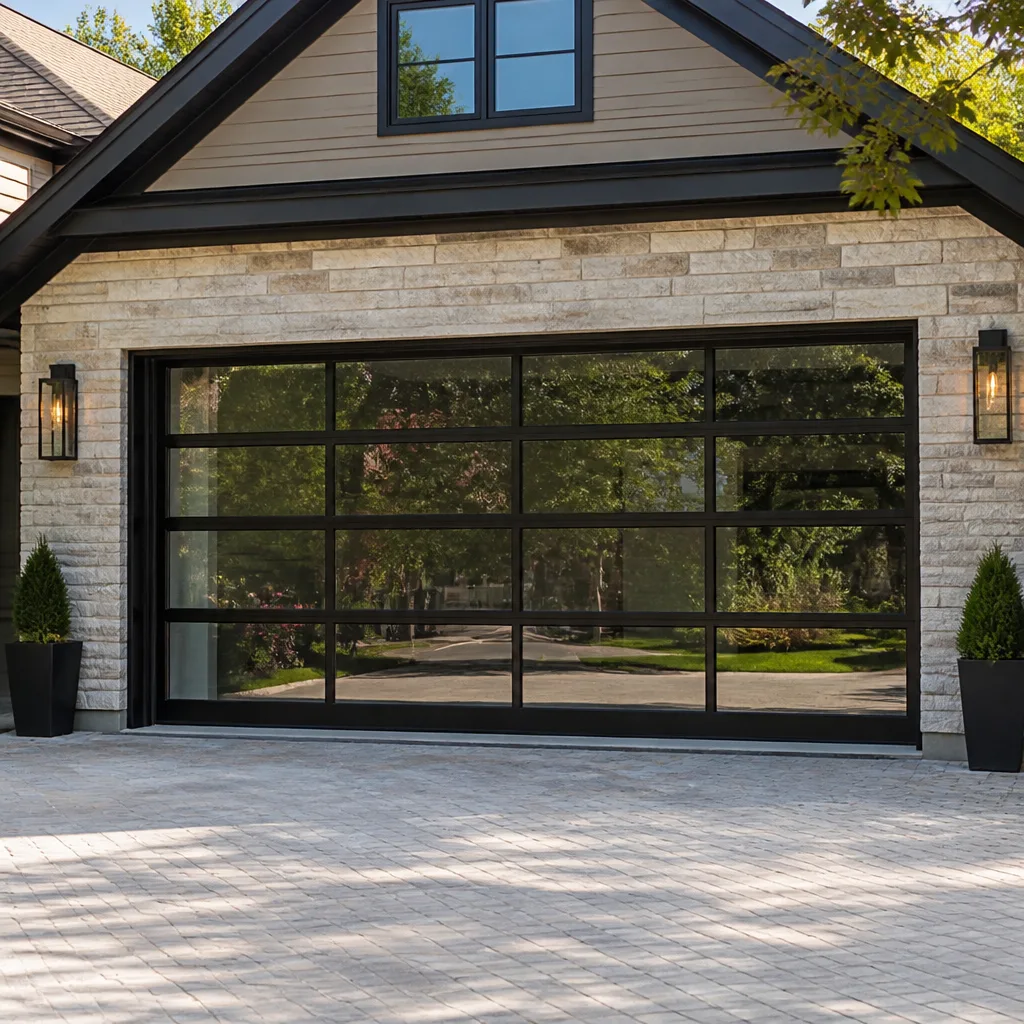
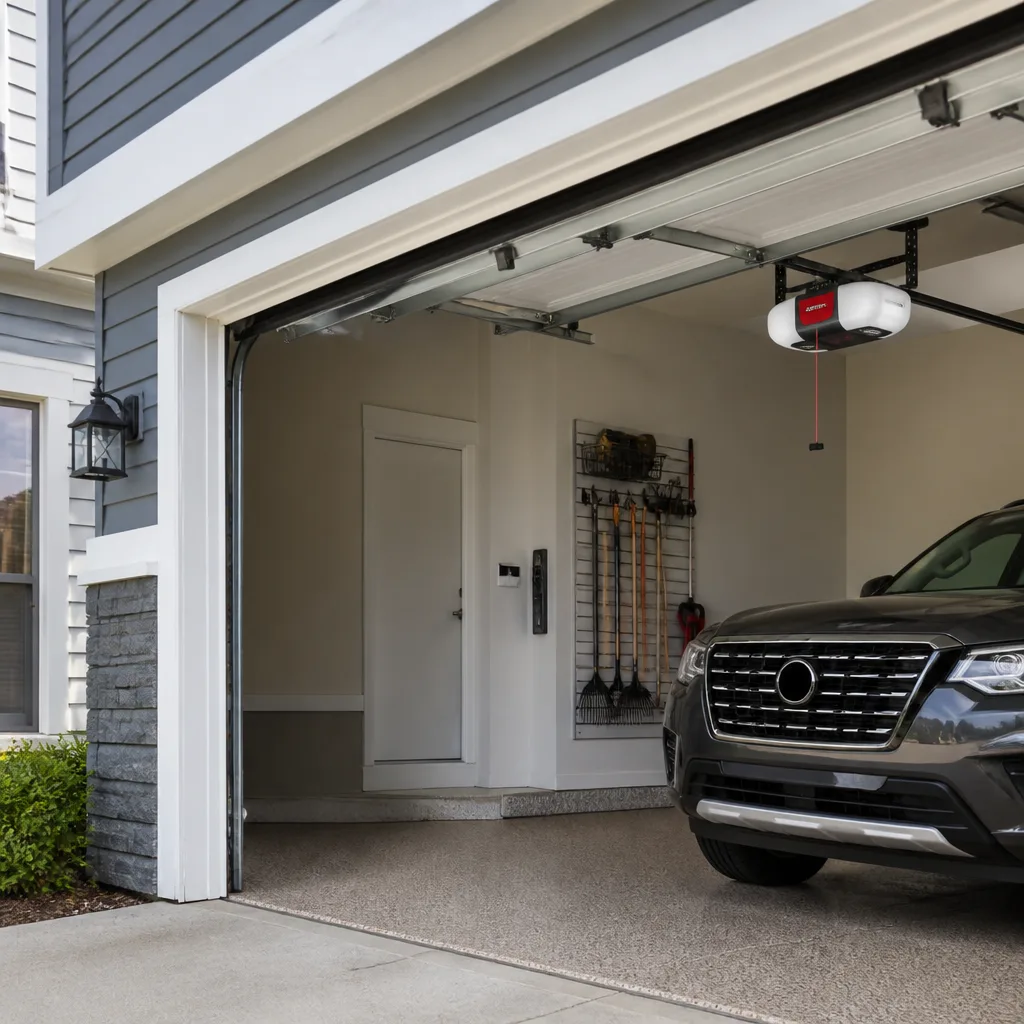
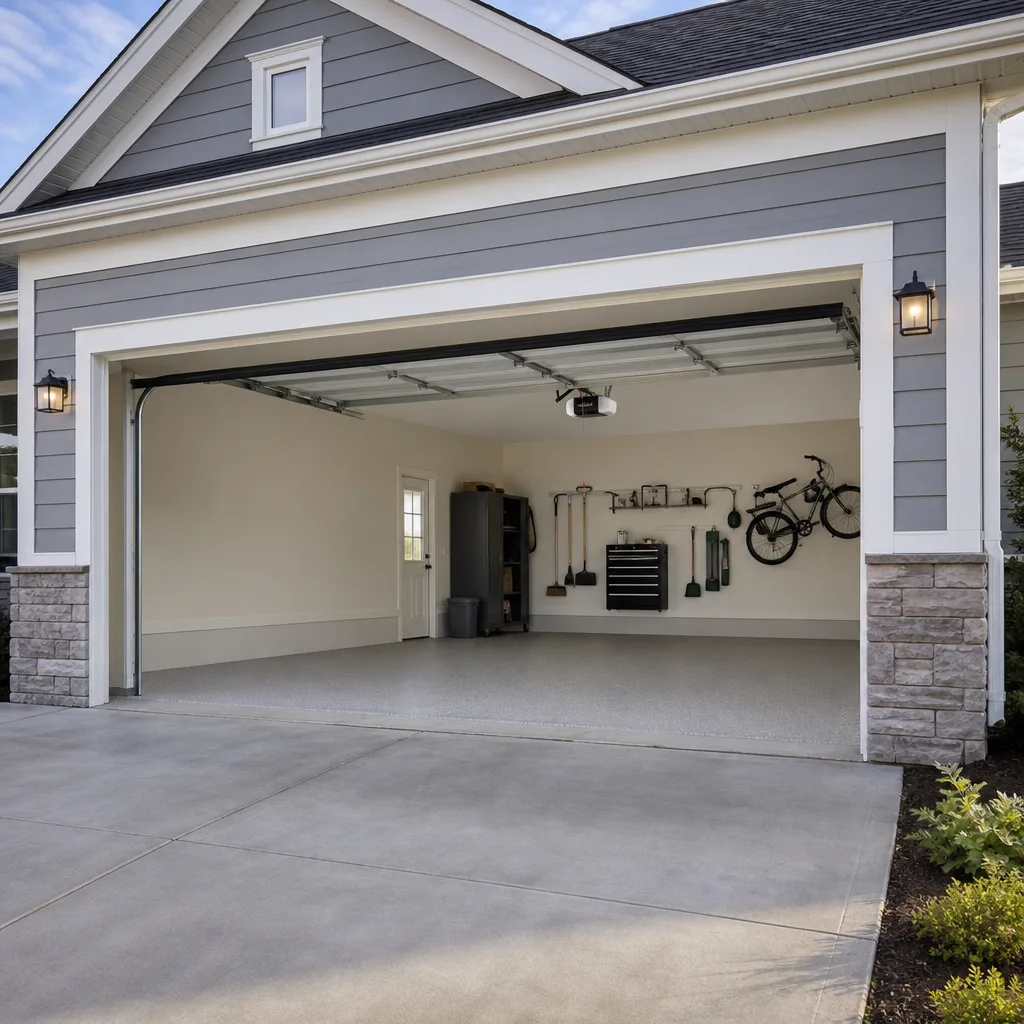
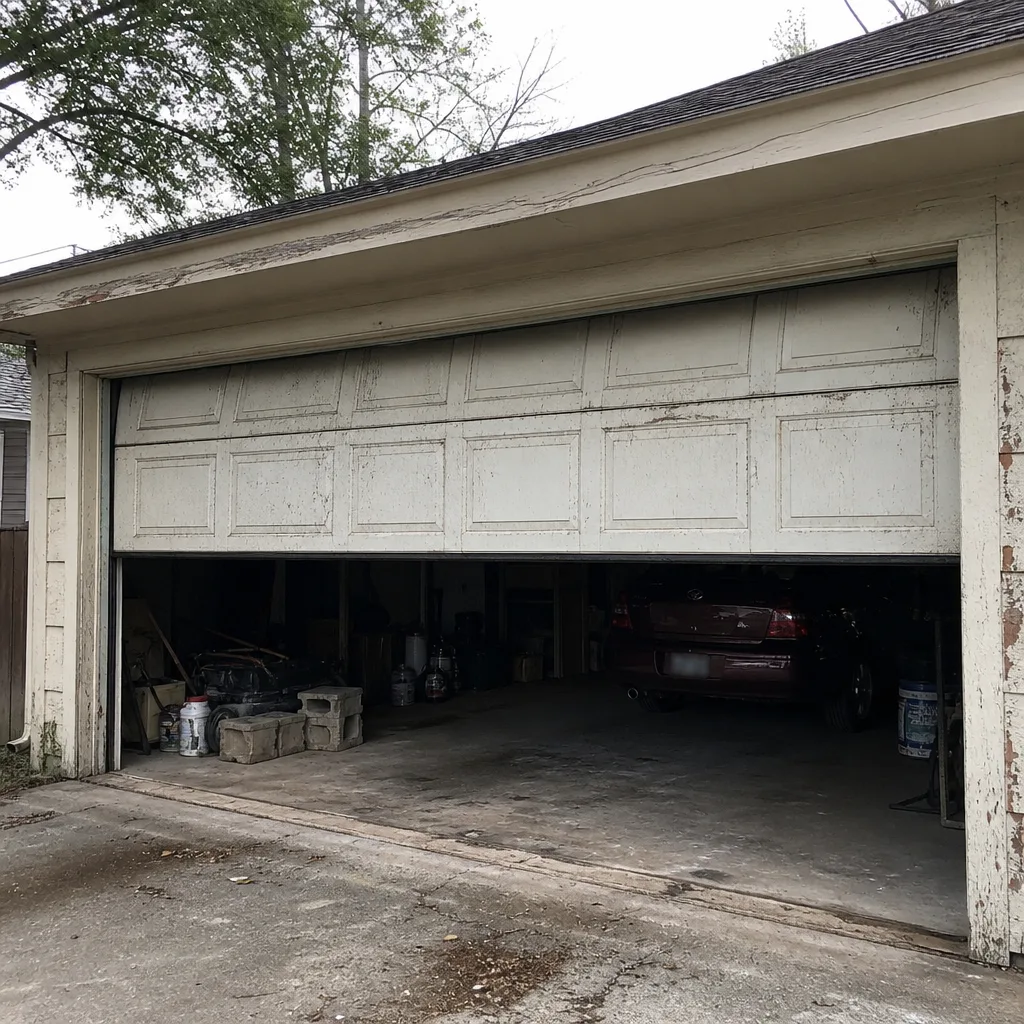 Before
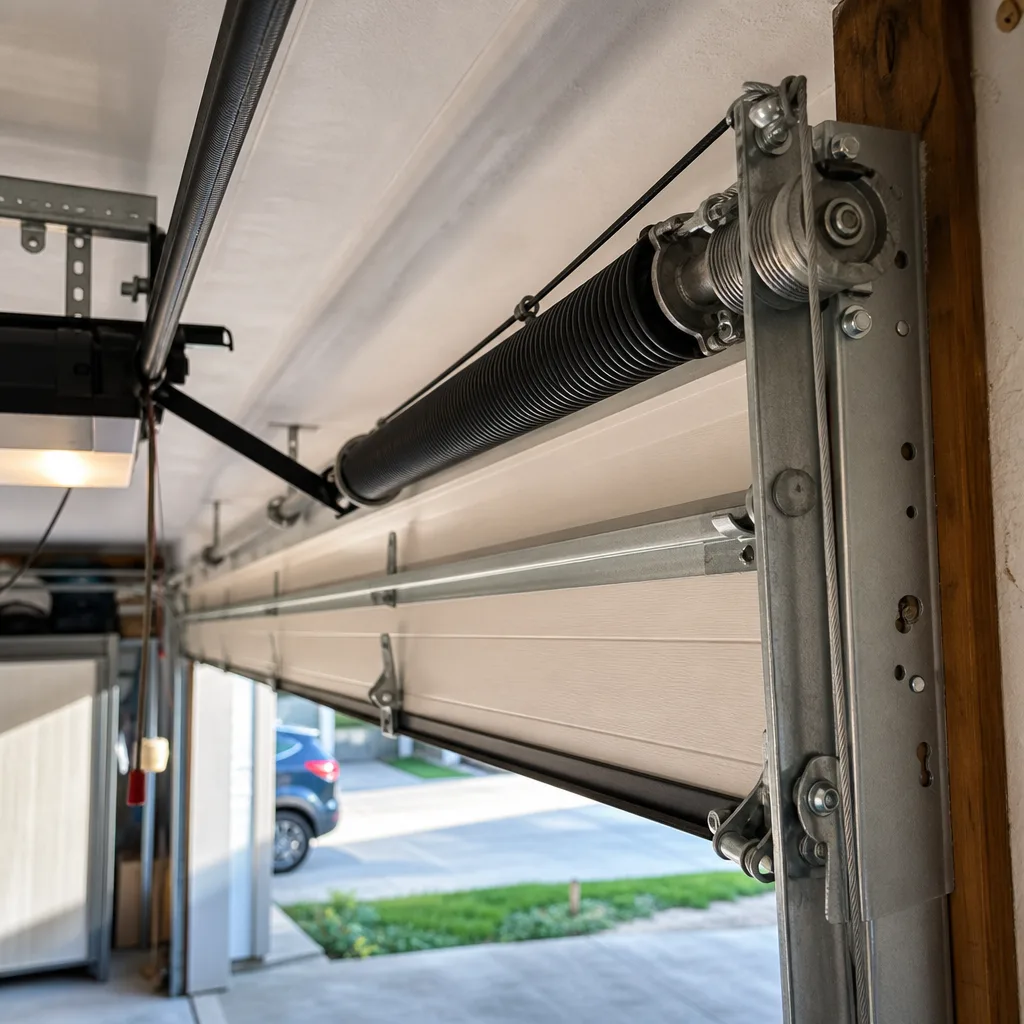 After
After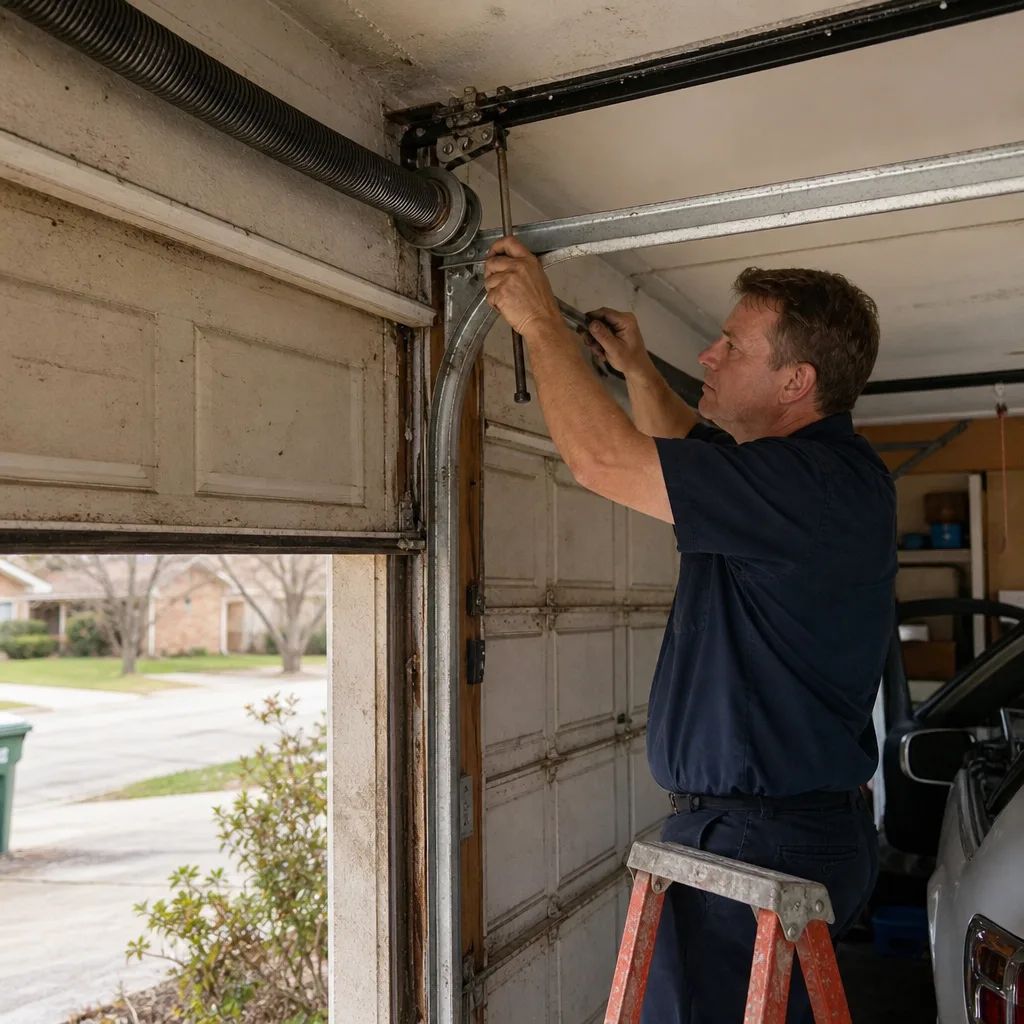 Before
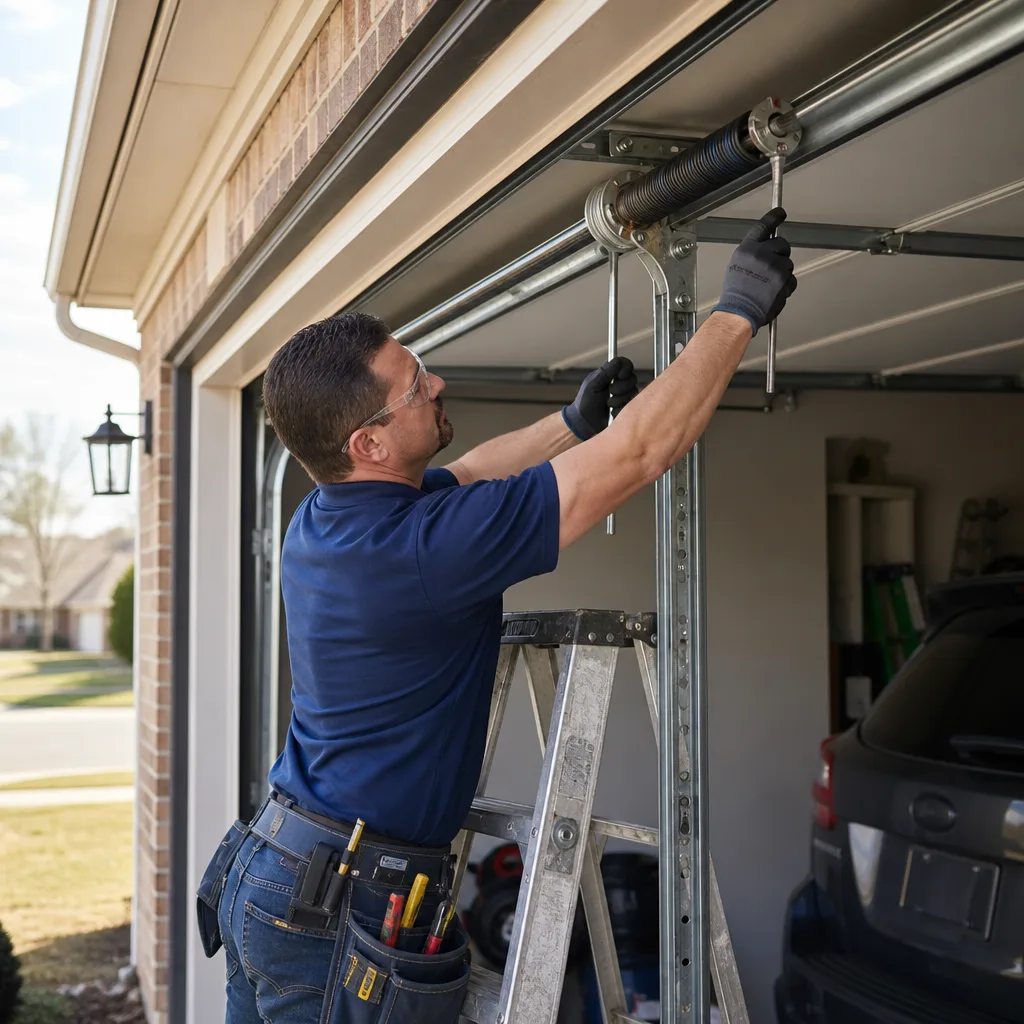 After
After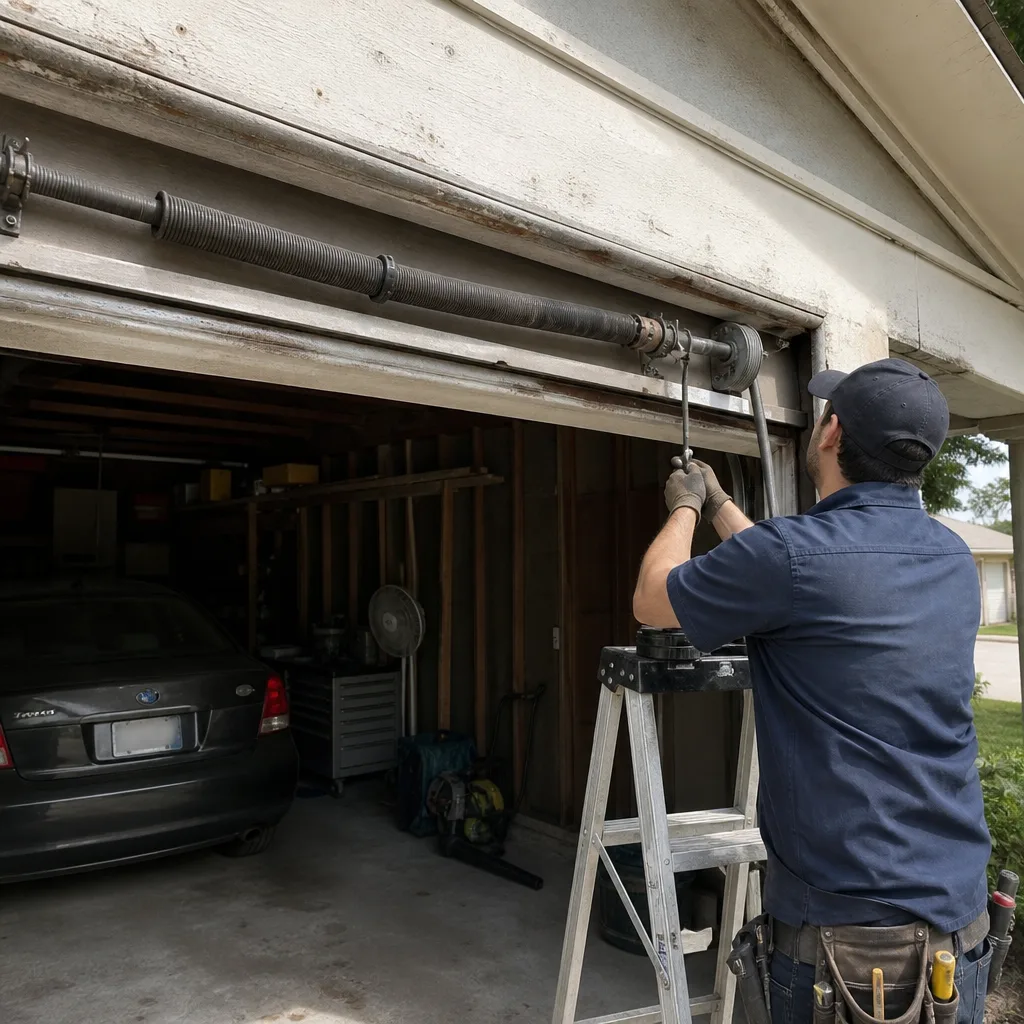 Before
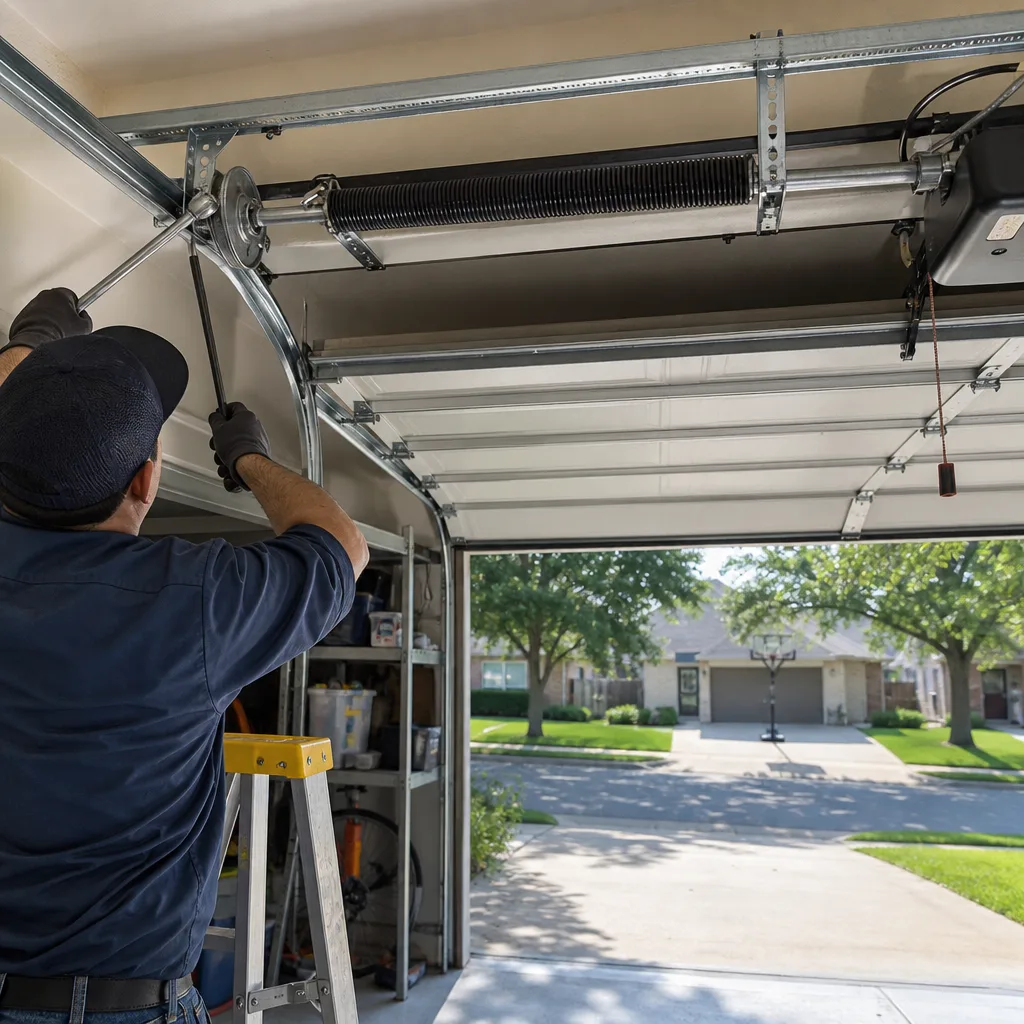 After
AfterSeasonal Garage Door Care for Arlington: Year-Round Homeowner’s Guide
Most garage door maintenance advice assumes a place with four actual seasons. Arlington doesn’t work that way. We get a brutal summer that stretches from May into October, a short winter that can drop from 70°F to ice in 48 hours, and two brief transition periods that are over before most homeowners notice them. This guide is built around what actually happens to garage doors in Arlington, Texas, not a generic seasonal template written for Ohio. For The Complete Guide to Garage Door in Arlington and more guides & resources, see our blog. If your door has survived a few Arlington summers, you’ll recognize some of what’s below. If this is your first year in the house, this is what the door is already telling you.
Quick Answer
Seasonal garage door care in Arlington means adjusting your maintenance schedule to two dominant realities: sustained heat above 95°F from June through September, and sudden freeze-thaw cycles in January and February. The highest-value tasks are lubricating moving parts twice a year, checking torsion spring tension after the first 100°F week, inspecting rollers and track alignment after any ice event, and keeping the opener motor’s ventilation path clear. Most failures we see are predictable and preventable with about 30 minutes of attention per quarter.
Table of Contents
- Why Arlington’s Climate Breaks Garage Doors Differently
- Summer: What Sustained Heat Above 95°F Does to Your Door
- Pre-Winter Preparation for Arlington’s Freeze-Thaw Pattern
- Post-Ice-Storm Inspection Sequence
- Spring Transition: Humidity, Wood Doors, and Track Bind
- Arlington Garage Door Maintenance Calendar
- Common Mistakes to Avoid
- When to Call a Professional
- Frequently Asked Questions
- The Bottom Line
BeforeAfterWhy Arlington’s Climate Breaks Garage Doors Differently
Arlington sits in a climate zone where the garage door is essentially a heat sink and a freeze point in the same year. The math matters here. Steel expands when heated. A 16-foot steel garage door panel will measurably expand after a week of 100°F days stored in direct afternoon sun. When the temperature then drops 50 degrees in a single day, that panel contracts. The expansion-contraction cycle is what kills springs, stretches cables, and knocks tracks out of alignment. Nationally written maintenance guides rarely account for the speed of Arlington’s temperature swings.
The second factor is humidity. Arlington’s average summer humidity sits above 60%, and spring brings Gulf moisture that can push it higher. Humidity affects wood doors directly and every door indirectly through rust on hardware. Homeowners in North Arlington near River Legacy Park’s tree canopy deal with more organic debris in the tracks. Homeowners in newer developments in the Viridian and south Arlington areas face full-sun exposure on west-facing doors, which accelerates heat-related component fatigue. We’ve replaced springs in April that failed because of what August did to them nine months earlier.
Understanding this pattern is what makes seasonal care work here. You’re not preparing for winter and summer as separate events. You’re managing a continuous expansion-contraction cycle that happens to hit its extremes in July and in February, and you’re doing that in the specific conditions Arlington gets: intense UV exposure, high humidity, and the occasional ice event that national guides never mention for North Texas.
Summer: What Sustained Heat Above 95°F Does to Your Door
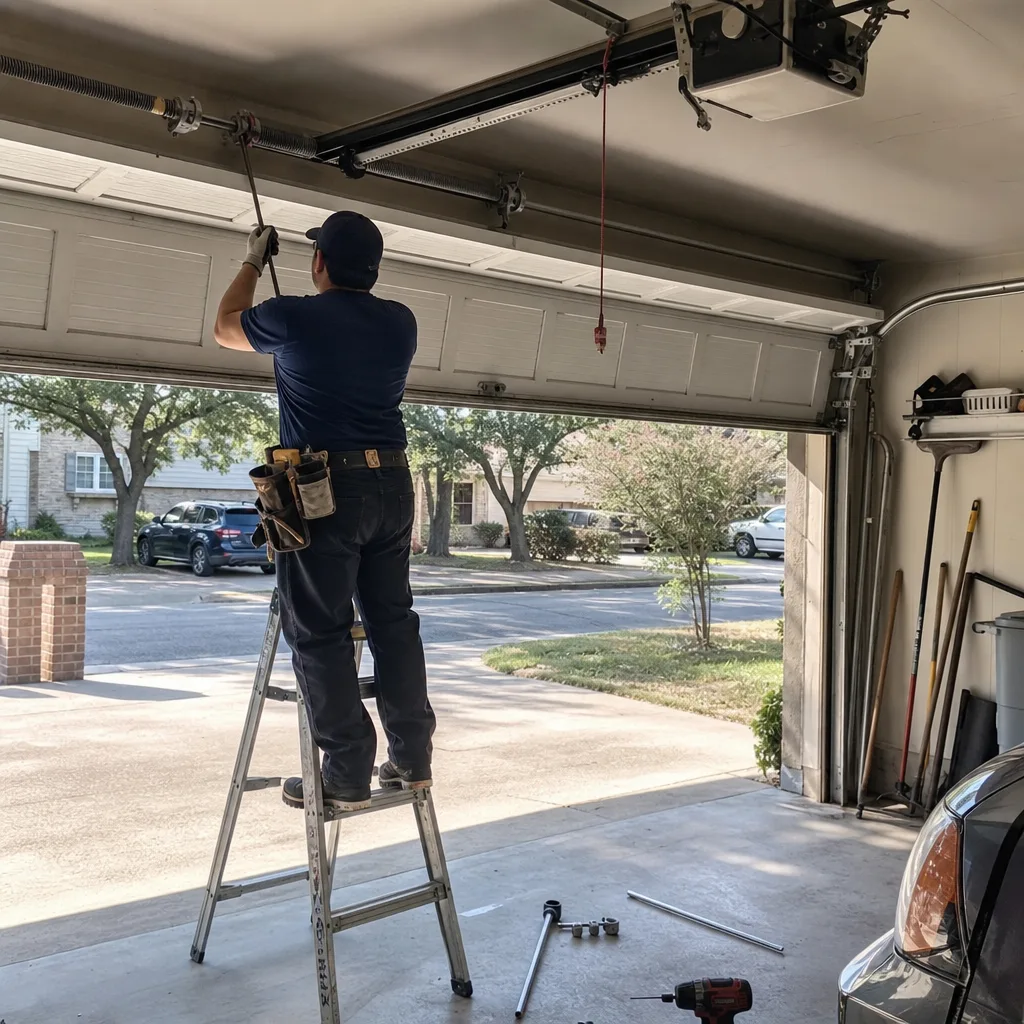
Summer is the season we see the most spring failures in Arlington, and it surprises people every time. The logic seems backwards: heat should make metal more flexible, not break it. But torsion springs under high tension are already at a high internal stress level. Sustained heat above 95°F, particularly direct sun on a west-facing door, adds thermal expansion to that stress. The spring’s steel structure changes over repeated heat cycles, and a spring that was marginal in April gives out in July or August. This is a known failure pattern for all major spring brands, including the ones used in LiftMaster and Raynor systems.
There are specific things to do when Arlington’s heat arrives, not in October when it’s already been punishing for months:
- Inspect spring tension in early June. After the first full week above 95°F, watch your door open and close from the side. If one side rises slightly before the other, the spring tension is uneven. If the door drifts down when stopped halfway open, the springs are losing tension. Both are pre-failure indicators.
- Check opener motor ventilation. Opener motor units generate heat during operation, and when the garage itself is at 110°F, the motor’s thermal cutoff is working at its limit. Make sure the area around the motor head has at least 6 inches of clearance on all sides. Boxes stacked near the opener in July are the cause of more intermittent failures than homeowners realize.
- Lubricate in the first cool morning. Lubricant applied to a door that’s been in 100°F sun all day runs off before it penetrates. Apply white lithium grease to the hinges, rollers, and spring coils in the early morning when the metal is still cool.
- Inspect the weather seal at the bottom now. Summer is when a compressed or cracked bottom seal matters most, because the gap lets conditioned air out and hot air in. It also lets ants and other pests in during Arlington’s hot months.
One more thing worth doing in a Tarrant County summer: check the garage door’s balance. Disconnect the opener using the red release handle and lift the door manually. It should stay in place when opened halfway without assistance. If it falls, the springs are not doing their job, and your opener motor is doing work it was never designed to do. That is the single most common reason a Garage Door Repair in Arlington call in August involves both a spring replacement and an opener replacement.
Pre-Winter Preparation for Arlington’s Freeze-Thaw Pattern
Arlington’s worst garage door problems in winter don’t come from snow accumulation. They come from a sequence: a week of 70°F weather, followed by a hard freeze, followed by a thaw, often within the span of a few days. The freeze-thaw pattern creates ice in places that don’t drain well, and the cycle of expansion (freezing) and contraction (thawing) pushes on every component that was already stressed by summer heat.
Pre-winter preparation should happen in November, before the first freeze risk arrives, and should focus on freeze-specific vulnerabilities.
Lubricant Viscosity and Cold Weather Performance
Not all garage door lubricants perform below freezing. General-purpose sprays thicken in cold weather and turn sticky, which increases resistance on the rollers and puts additional load on the opener motor. A silicone-based lubricant remains effective down to about -20°F, which handles anything Arlington gets. White lithium grease, which we recommend for hinges and springs, stays usable down to about 0°F, which is more than adequate for our winters. If you’ve been using a multi-purpose oil, switch it out before November.
What to Check Before the First Freeze
- Bottom seal condition. A cracked or compressed bottom seal is the entry point for ice and cold air, and once ice forms in the bottom seal’s channel, it can split the seal further during thaw cycles. We’ve seen bottom seals fail entirely after a single ice event because they were already deteriorated from summer heat.
- Track alignment at the bottom brackets. Water from rain and condensation follows the track to the floor. When it freezes, it expands inside the track and can push the bottom bracket outward. A quick visual check in November catches minor misalignment before an ice event turns it into a major one.
- Door balance tests. The manual balance check described in the summer section matters even more before winter. Springs that are weak going into a freeze-thaw season fail during one.
- Opener force settings. Cold weather increases friction on the rollers and hinges. If your opener’s force settings are set to the minimum, a door that opens fine in October may reverse unexpectedly in February. Test the auto-reverse function after a cold snap.
This is the kind of work we do as part of a full seasonal inspection, and it’s the same process we follow on every Garage Door Installation in Arlington job before we hand over the door. The pre-winter check takes about 30 minutes and prevents the majority of emergency calls we get in January and February.
Post-Ice-Storm Inspection Sequence
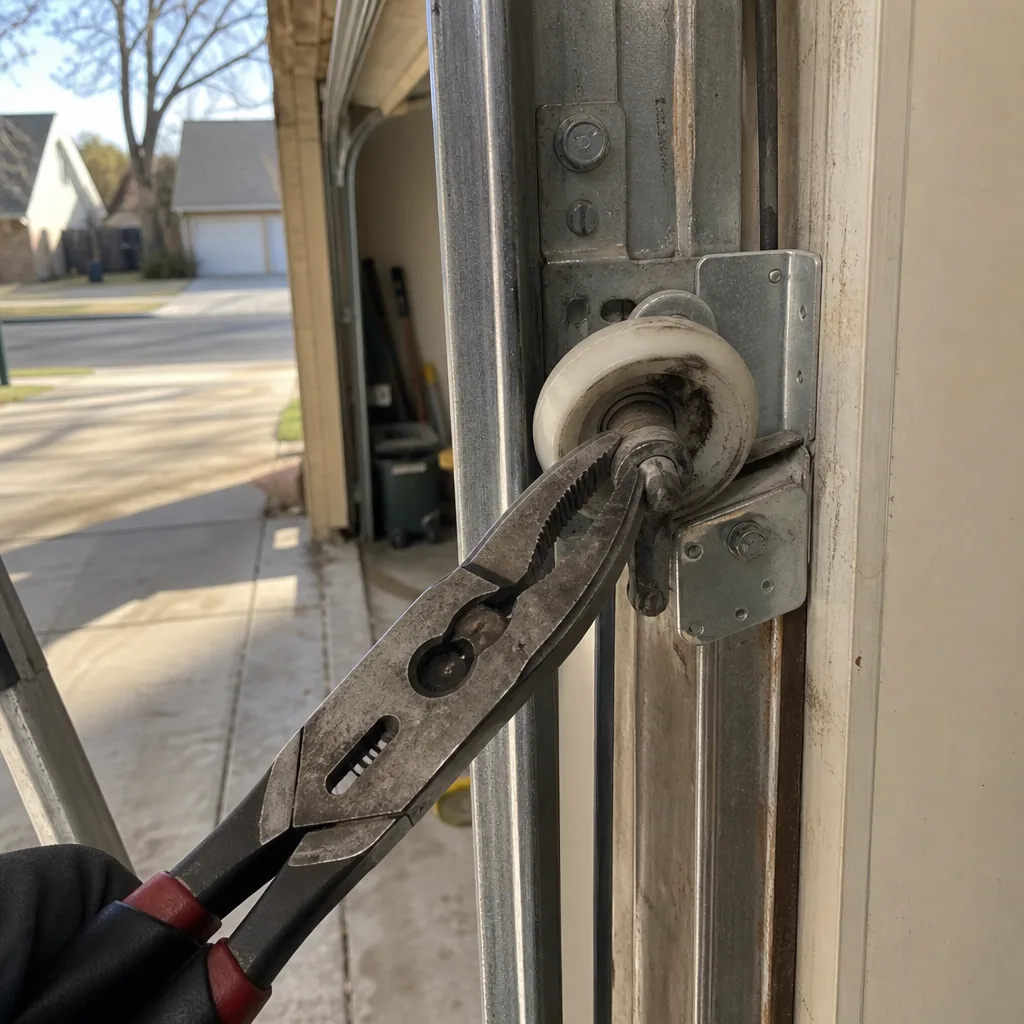
If Arlington gets an ice event, the inspection that follows should happen in a specific order. Ice damages components in a predictable cascade, and checking in the wrong order means you’ll miss damage that’s hidden behind or beneath the first thing you inspect. Here’s the sequence we use after any significant ice loading event in Arlington:
- Bottom seal compression. Start at the bottom. Ice that forms beneath the door compresses the bottom seal, and continued operation of the door over ice can tear the seal away from its retainer. Look for gaps, flattening, or separation from the aluminum channel. A damaged bottom seal is the most common post-ice failure in Arlington garages.
- Horizontal track alignment. Ice adds weight to the door only briefly, but the real damage happens when the door is operated while ice is still present on the track or the rollers. The horizontal tracks are the most vulnerable to bending because they have the longest unsupported span. Look down the length of each track from the back of the garage. Any visible bow or kink means the door is binding.
- Roller condition. Ice can contribute to flat-spotting on nylon rollers, particularly if the door was opened while ice was adhered to the track. A damaged roller sounds like a periodic thumping or clicking during operation, and it transmits vibration into the hinges and eventually the cables.
- Cable seating. The lift cables run through pulleys near the top of the door and wrap around the bottom brackets. Ice that wedges between the cable and the pulley can cause the cable to jump the groove, which is a dangerous failure mode. If the cable looks frayed, kinked, or is no longer seated in the pulley groove, stop using the door and call a professional. A cable under tension is not something to repair without training and tools designed for the load.
- Hinge wear points. Ice and cold make metal hinges more brittle, and any hinge that was already worn from summer heat cycles may crack during an ice event. Check the hinge at each panel joint, looking specifically for hairline cracks around the pin holes.
If any of these checks reveal a problem, don’t operate the door until it’s addressed. A door that’s binding in one spot will worsen the damage every time it cycles, and what could have been a $150 hinge replacement becomes a $400 track replacement within a few weeks of continued use.
Spring Transition: Humidity, Wood Doors, and Track Bind
Arlington’s spring is short, but it brings a specific problem: Gulf humidity arrives while the nights are still cool, and wood garage doors absorb that moisture unevenly. If you have a wood door, this is the season to watch it carefully.
Wood swells when it absorbs moisture, and it swells directionally. The stiles and rails expand across the grain, which means the vertical dimensions stay relatively stable while the horizontal dimensions change. A solid wood door that was perfectly square in February can gain 1/8 to 1/4 inch in width during a humid April. That may not sound like much, but when a 16-foot door expands a quarter inch, the edges press against the weatherstripping and can begin to bind in the tracks.
Before it becomes a full track bind, the dimensional change shows up in a predictable way. You’ll notice the door rubbing on one side during opening. You’ll hear a slight scrape that wasn’t there in winter. The door may slow down near the top of its travel. These are early warnings. If the door is already sticking or reversing partway through the cycle, the wood has expanded enough to bind, and continued operation will damage the panels and possibly bend the track.
What Spring Inspection Should Include
- Visual gap check. With the door closed, look at the gap between the door and the weatherstripping on each side. If one side is tighter than the other, the door is no longer centered in the opening. That’s the first measurable sign of expansion or track movement.
- Track spacing measurement. The distance between the door edge and the vertical track should be roughly the same on both sides and consistent from bottom to top. Any variation means the track has shifted, which can happen as the weatherstripping’s mounting screws pull slightly out of the wood framing during humidity cycles.
- Roller wear on the bearing side. If the track has shifted even slightly, the rollers will show uneven wear. Look for a shiny band or grooves on the roller’s edge. A roller that’s been running against the track under pressure has a distinctive polished appearance.
- Hardware tightness. Humidity causes wood to swell, but it also causes the screws holding hinges and brackets to work loose over repeated cycles. Tighten the hinge screws and bracket screws, but don’t overtighten: screws driven into wood that’s moisture-swollen will strip the thread path, and then they’ll be loose permanently.
Spring is also the right time in Arlington to have your garage door system inspected after the combined stress of summer heat and winter freezes. We see spring as the reset point, and the work done now determines whether the summer cycle causes failures or passes uneventfully.
Arlington Garage Door Maintenance Calendar
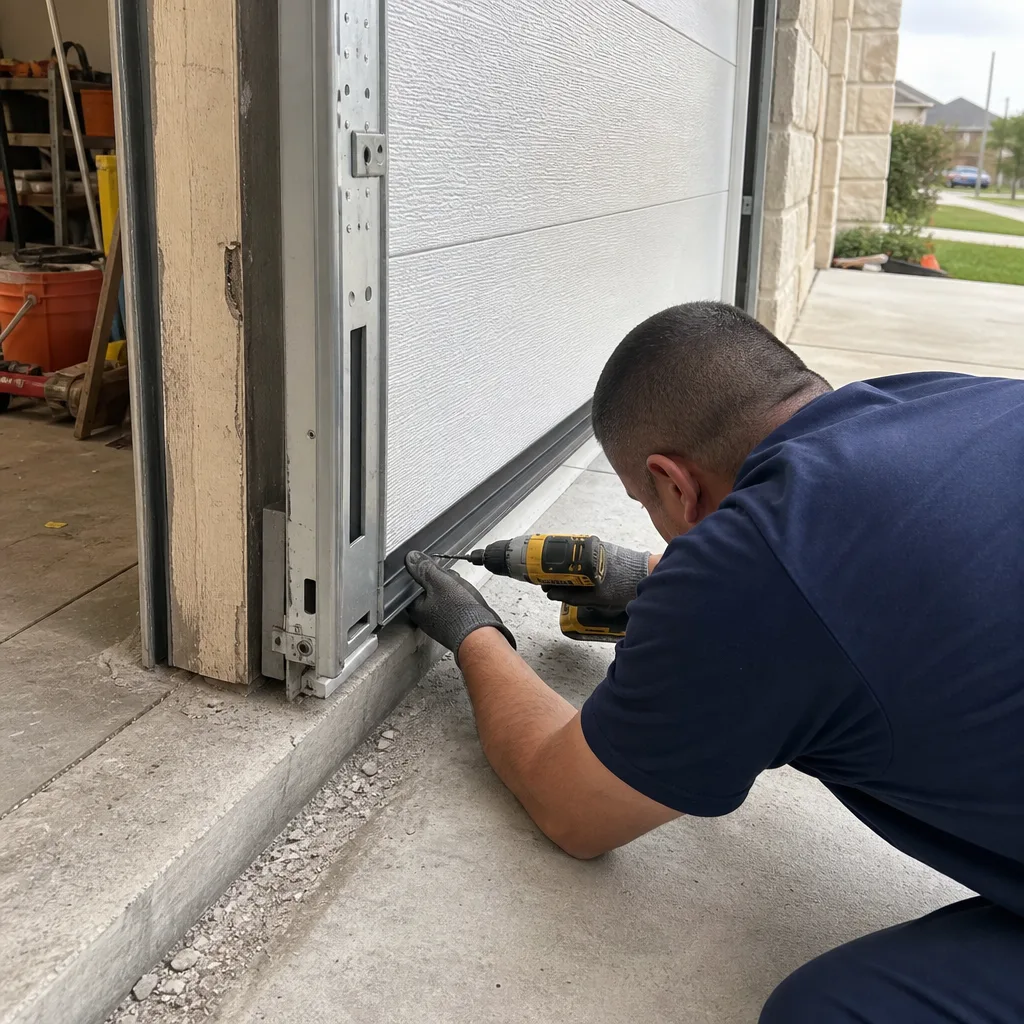
Here is a month-by-month schedule built for Arlington’s actual weather patterns, not a generic four-season template:
| Month | Primary Tasks | Why It Matters in Arlington |
|---|---|---|
| January | Watch for ice events; check door balance after any hard freeze; verify opener force settings | Freeze-thaw cycles are most likely this month |
| February | Post-ice inspection sequence if any ice occurred; check bottom seal compression | Ice events following warm weeks cause the most failures |
| March | Begin humidity watch on wood doors; tighten hardware | Gulf moisture arrival begins |
| April | Full spring inspection; lubricate all moving parts; test auto-reverse | Peak humidity season; prepare for heat arrival |
| May | Check spring tension as first 90°F days arrive | Heat stress cycle begins |
| June | Spring tension check after first 100°F week; opener ventilation clearance | First sustained-heat week is the trigger point |
| July | Watch for spring fatigue indicators; check for uneven opening | Peak season for spring failures in Arlington |
| August | Bottom seal inspection for heat cracking; lubricant reapplication | Sustained heat causes rubber deterioration |
| September | Check track bolts and bracket tightness; cable inspection | End of heat season reveals cumulative wear |
| October | Switch to cold-weather lubricant; full pre-winter inspection | Prepare for first freeze risk |
| November | Bottom seal replacement if needed; track alignment check | Last chance before freeze-thaw patterns begin |
| December | Verify opener battery backup; confirm emergency release works | Winter readiness complete before ice risk |
This calendar reflects the reality of Arlington’s climate. The heavy lifting happens in June and November, because those are the months that prepare your door for the two extremes that define garage door stress here: heat and freeze. If you only do two things this year, do the June spring tension check and the November full inspection.
Common Mistakes to Avoid
- Skipping the June spring check. Almost every August spring failure we see in Arlington could have been caught in June. A spring that fails in August was showing tension loss for weeks, and it’s a visible, testable condition. The 10 minutes it takes to do a balance check is the highest-value maintenance activity on this list.
- Using WD-40 as a garage door lubricant. WD-40 is a solvent and water displacement product, not a long-term lubricant. It will strip existing lubrication and leave metal components more vulnerable to rust in Arlington’s humidity. Use a silicone-based or white lithium product designed for garage doors.
- Lubricating the wrong parts. Lubricant belongs on the hinges, the spring coils, and the roller bearings. It does not belong on the track itself. Lubricated tracks collect dust and grit and accelerate roller wear. The track should be clean and dry.
- Operating the door through ice resistance. If the door meets resistance when opening after an ice event, don’t force it. Forcing a door that’s frozen to the floor or bound by ice in the track is how cables jump pulleys and tracks get bent. Clear the ice first, then operate the door, then inspect per the sequence above.
- Ignoring a door that’s slightly unbalanced because it still opens. A door that’s 5% out of balance is doing 100% of its work on one spring instead of splitting it across two. That one spring is now wearing at twice the rate. The imbalance only gets worse, and the spring doesn’t recover tension; it fails.
- Doing DIY spring replacement. Torsion springs hold enormous stored energy under tension, and the tools used to wind and release them are specific to the job. This is the one repair on a garage door system that genuinely belongs with a trained professional carrying the right winding bars and the right safety procedures. A spring failure during a DIY job can cause serious injury or death, and we will always tell Arlington homeowners this plainly: the risk is not worth the savings.
- Deferring a second opinion on a major quote. Arlington is a competitive market, and quotes for significant repairs vary widely. If another company has given you a written estimate for a spring replacement or track repair that seems high, the second opinion is free at Servo Garage Doors Arlington home. Bring the paperwork; we’ll give you an honest read on whether that price matches the scope.
When to Call a Professional
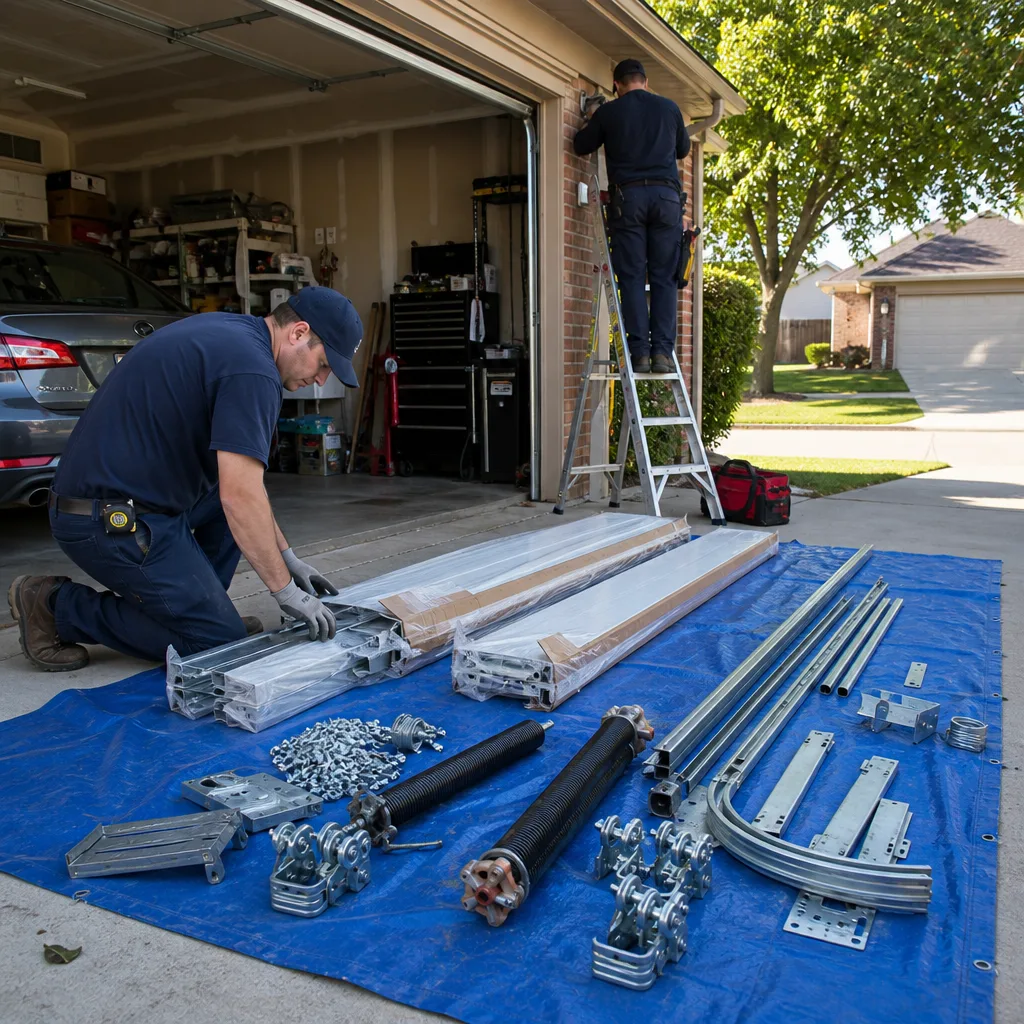
Some garage door work is safely handled by a homeowner with basic tools and a careful approach. These tasks include lubrication, tightening hinge screws, inspecting the weather seal, and running the balance test. Other work should go to a professional every time. If a torsion spring is broken, call. If a lift cable is frayed or has come off a pulley, call and then stop using the door. If the door has come off the track, call. If the opener motor is making grinding noises or the logic board is showing intermittent failure, call a professional trained in Garage Door Opener Repair & Installation in Arlington. The defining line is stored energy and tension: any component under spring tension or cable load is professional territory. Servo Garage Doors Arlington offers free estimates in Arlington, and every estimate arrives as a written price before any work starts. Call (682) 452-1782.
Frequently Asked Questions
Twice a year is the baseline for Arlington’s climate: once in April as humidity peaks, and once in October as you transition to cold-weather products. If your door faces west and gets full afternoon sun, add a third lubrication in August, because heat accelerates lubricant breakdown on exposed components. The best time of day to lubricate in summer is early morning when the metal is still cool.
A silicone-based spray lubricant remains effective down to about -20°F, which covers anything Arlington weather can produce. White lithium grease works well for hinges and springs down to about 0°F. Avoid general-purpose petroleum-based oils in winter, because they thicken and increase rolling resistance when temperatures drop. Call (682) 452-1782 if you want a specific product recommendation for your door type.
In Arlington, a torsion spring replacement typically runs $180 to $340 including the spring and labor, depending on spring size, wire diameter, and whether you’re replacing one spring or both. See our Garage Door Cost Breakdown: The Arlington Homeowner’s Reference for 2026 for fuller pricing context. Double-spring systems run higher. Every Servo job comes with a flat, written price before work begins, per Clause 1 of The Haven Standard. Call (682) 452-1782 for an exact quote based on your door’s spring specifications; estimates are free and delivered in writing.
Yes, in most cases. We carry torsion and extension springs in the common Arlington sizes on our trucks, and a spring replacement is a same-day job when the part matches what’s already on your door. If we don’t have the exact spring on board, we can typically source it same day or next morning from local suppliers. Call (682) 452-1782 and a real person will answer, 24/7, including holidays.
Ice events cause failures because of what happens at the bottom seal and the tracks, not because the components were already broken. Ice compresses the bottom seal, and when the door is operated over or through ice, the resistance bends horizontal tracks, knocks cables off pulleys, and flat-spots rollers. A door that was marginal in one of these areas before the ice will show failure immediately after. The post-ice inspection sequence above will identify what failed.
For most Arlington homeowners, a professional inspection once a year is worth the cost, because the inspector checks exactly the components that fail in Arlington’s specific conditions: spring tension, cable seating, track alignment, and opener force settings. If you’re weighing whether to do it yourself, our DIY vs Professional Garage Door: The Arlington Homeowner’s Decision Guide breaks down what each approach covers. The DIY work, which includes lubrication, hinge tightening, and bottom seal replacement, covers the rest. If you bring a written estimate from another company, our second opinion on that scope is free. Call (682) 452-1782 to schedule, and you’ll receive a written price before any work begins.
The Bottom Line
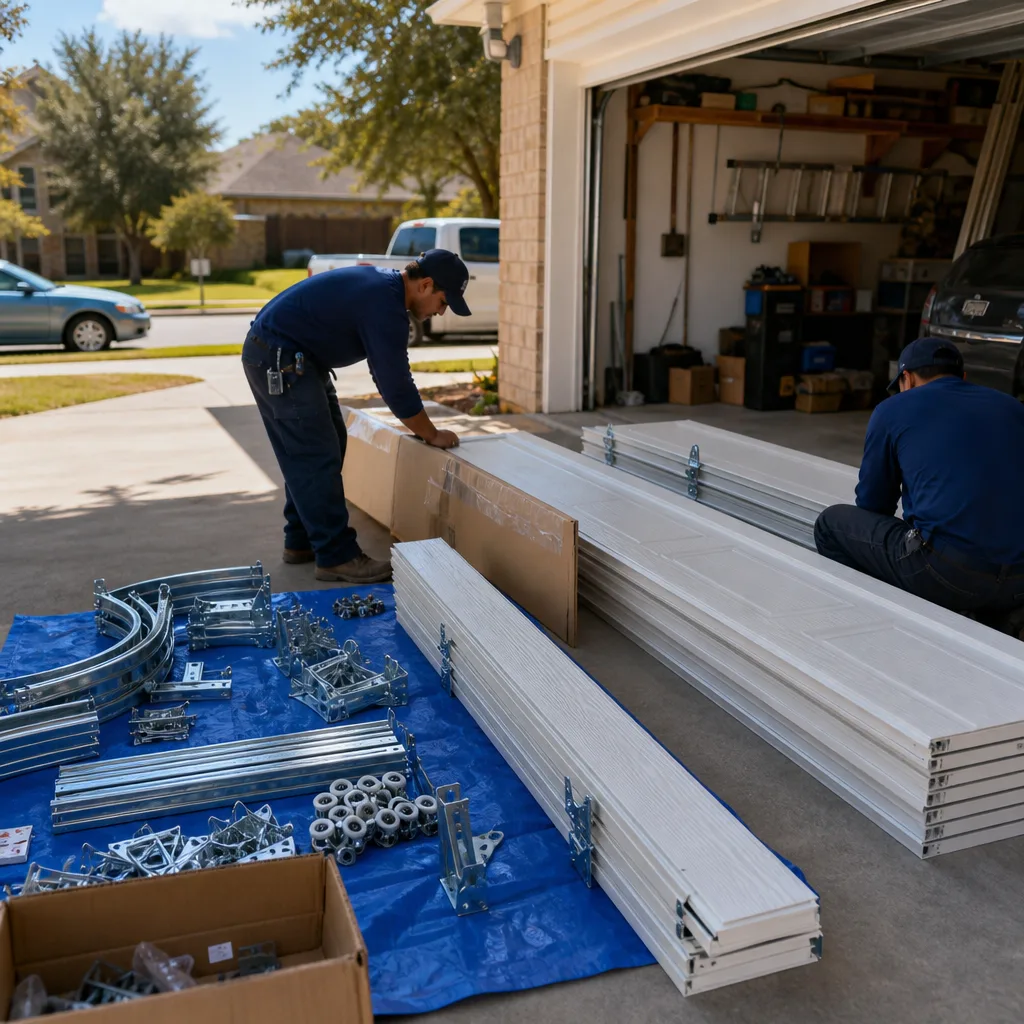
Garage door care in Arlington isn’t a four-season chore; it’s a two-phase discipline. Prepare for heat in June and freeze in November. Check spring tension after the first 100°F week, and run the full post-ice inspection sequence after any ice event. Lubricate twice a year, switch to cold-weather products in October, and watch wood doors closely in April when humidity arrives. The payoff is a door that lasts years longer and an opener that doesn’t carry the load of failing springs. If anything in this guide reveals a problem during your checks, Servo Garage Doors Arlington will quote a flat, written price before touching the door. Browse more guides & resources on our blog for year-round maintenance help. Call (682) 452-1782.
Written by Marcus Deller, Owner at Servo Garage Doors Arlington, serving Arlington since 2015.